By Jonas Beyard, Zomba Tour Guides Association
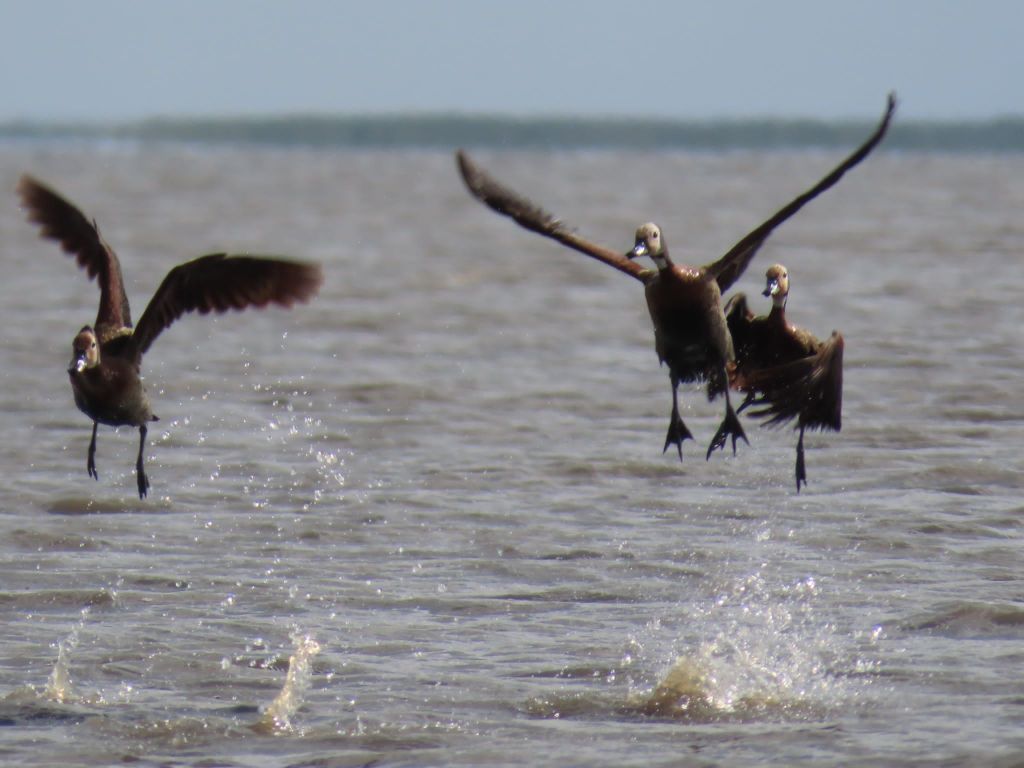
On 27 June 2022, as a member and founder of Zomba Tour Guides Association, I (Jonas Beyard) accompanied a tourist from Netherlands, to Lake Chilwa in the east of Zomba district for bird watching with a more interest in bird species biodiversity exploration. To the surprise of both of us, we saw a lot of bird species than we expected since reports indicate that nearly 1.2 million out of 1.5 million birds were hunted down in place of fish when the lake dried up between 2013 and 2018.
How stunning and exciting is bird life at Lake Chilwa?
Our bird species sightings included some of most beautiful and gorgeous birds on earth of which some are threatened and some travel for more than 7000km to Siberia every year. The most beautiful bird scenery was observed at Kachulu port. We saw;
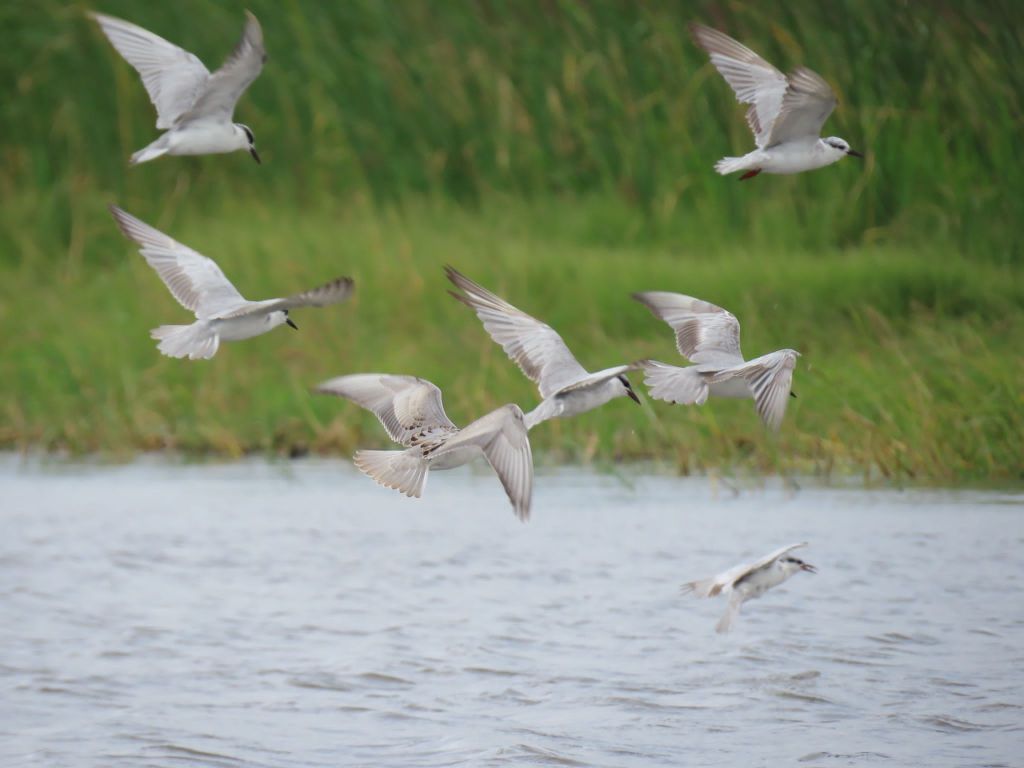
1. Whiskered Terns – the migratory and nomadic bird that travels to the global north.
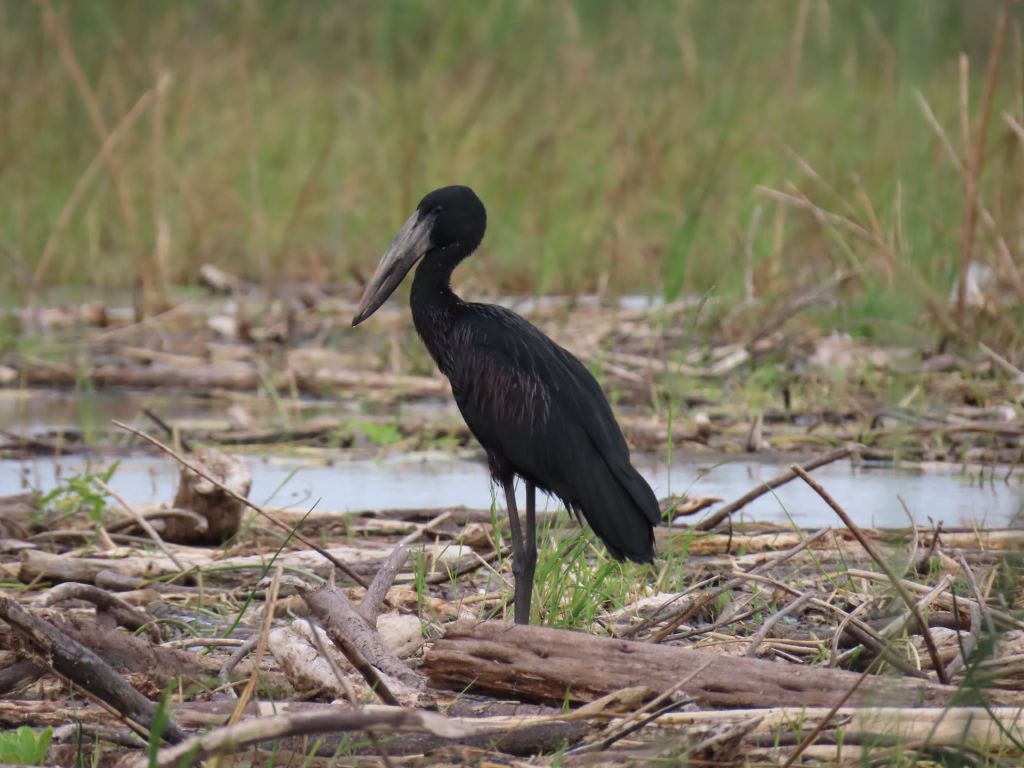
2. African Openbill – often found in marshes, swamps, margins of lakes and rivers, rice fields.
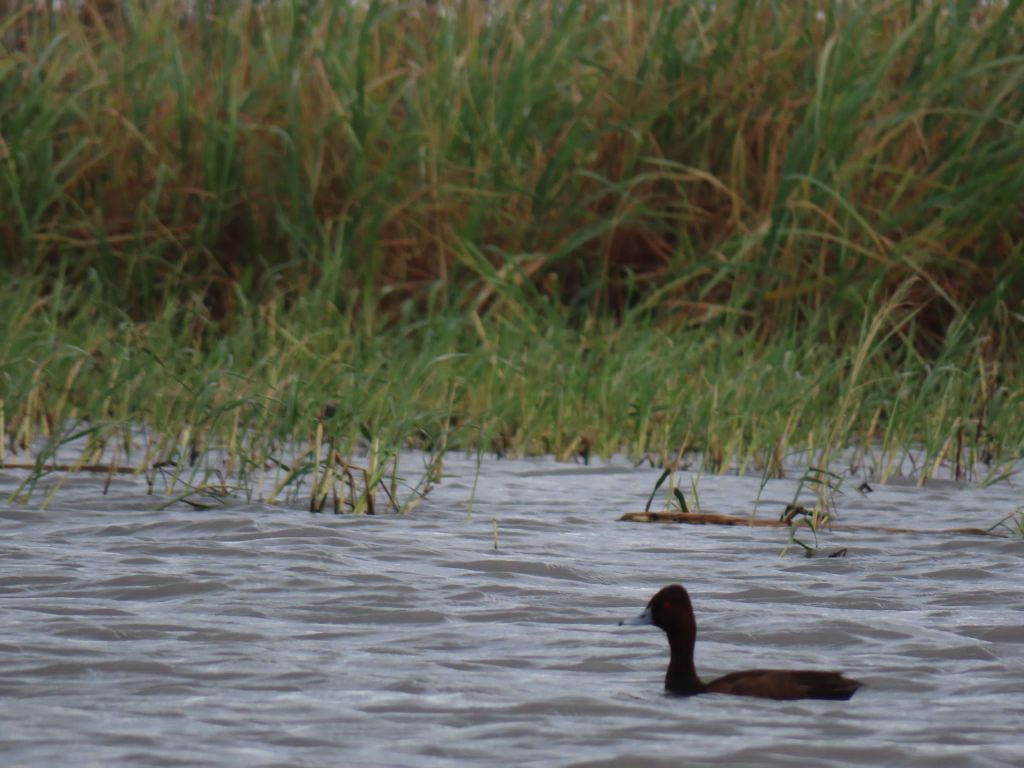
3. Southern Pochard – a sociable and gregarious duck. It has been seen in groups of up to 5,000 in some parts of the world.
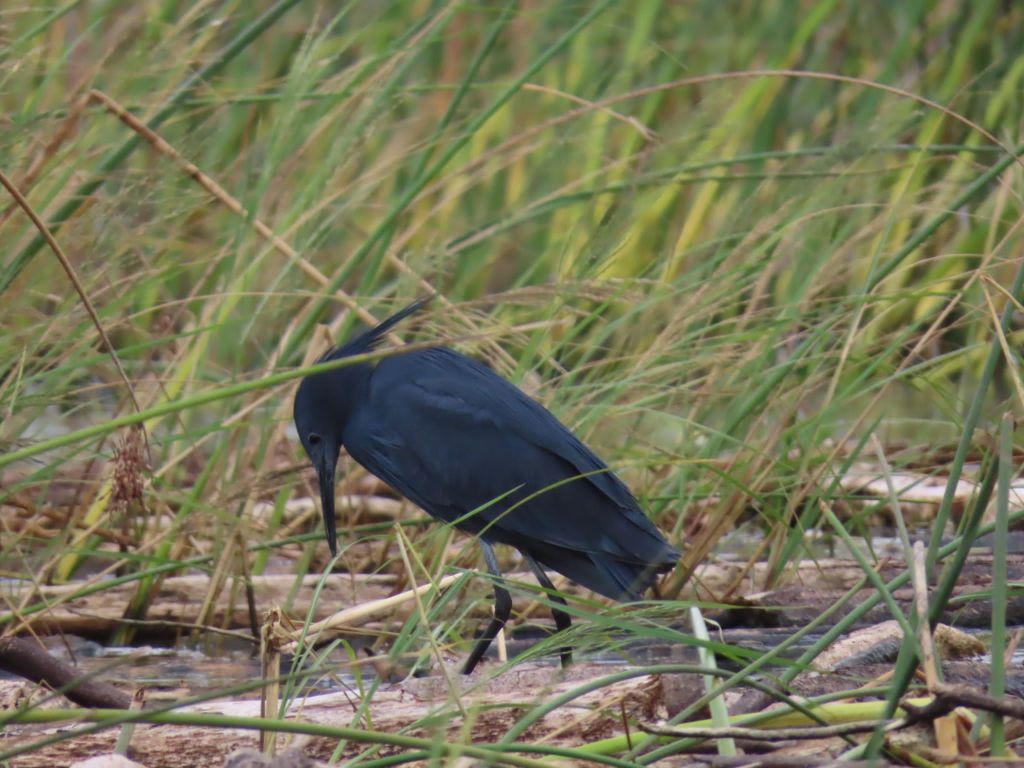
4. Black Heron – also known as the black egret, the African heron. It is well known for its habit of using its wings to form a canopy when fishing.
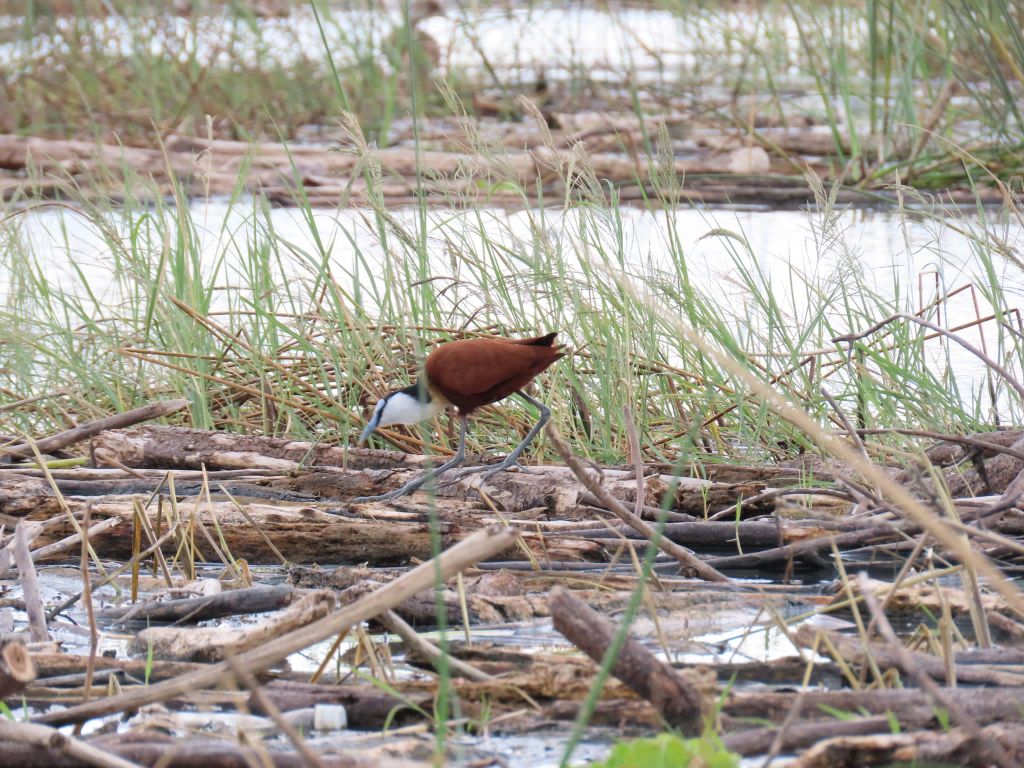
5. African Jacana – also known as a “lily walker” as they are able to walk across the water using the water lily as support.
6. White-Faced Whistling ducks – the species is gregarious, and at favoured sites, the flocks of a thousand or more birds arriving at dawn are an impressive sight.
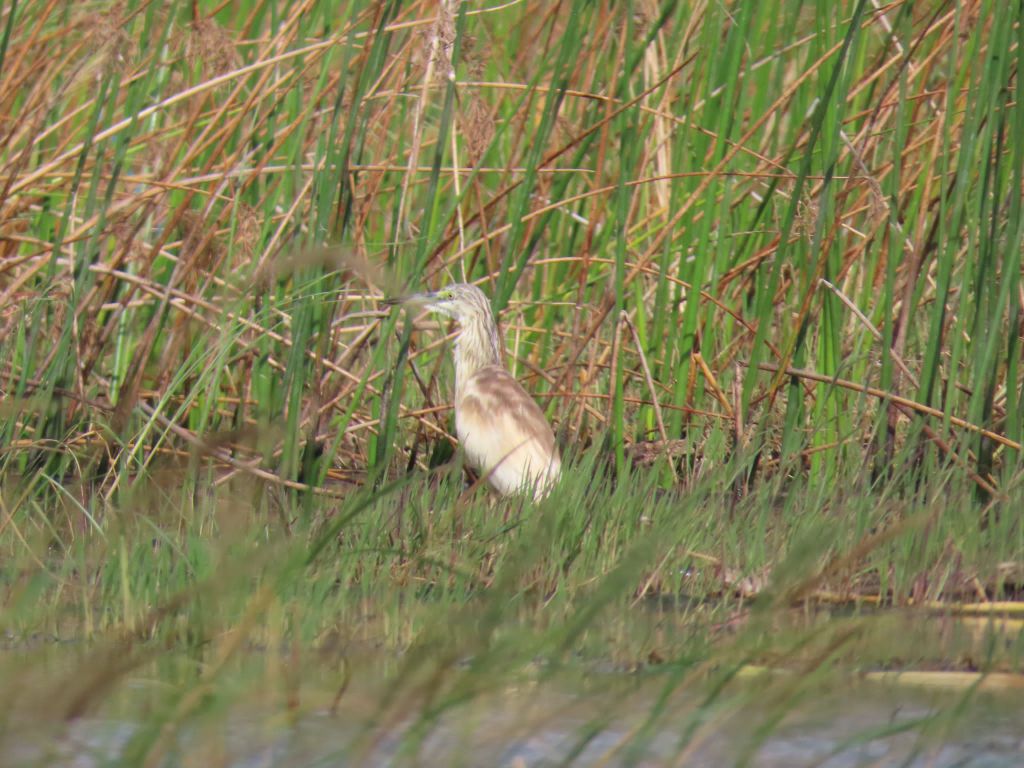
7. Squacco Heron – typically a lone feeder, standing, crouched low and still, waiting for its prey.
8. Cattle Egret – which have a symbiotic relationship with the animals they often accompany. The birds that stand on the backs of bovines pick off parasitic bugs like ticks, fleas and flies while egrets on the ground try to catch grasshoppers or other insects disturbed by the movement of the cattle.
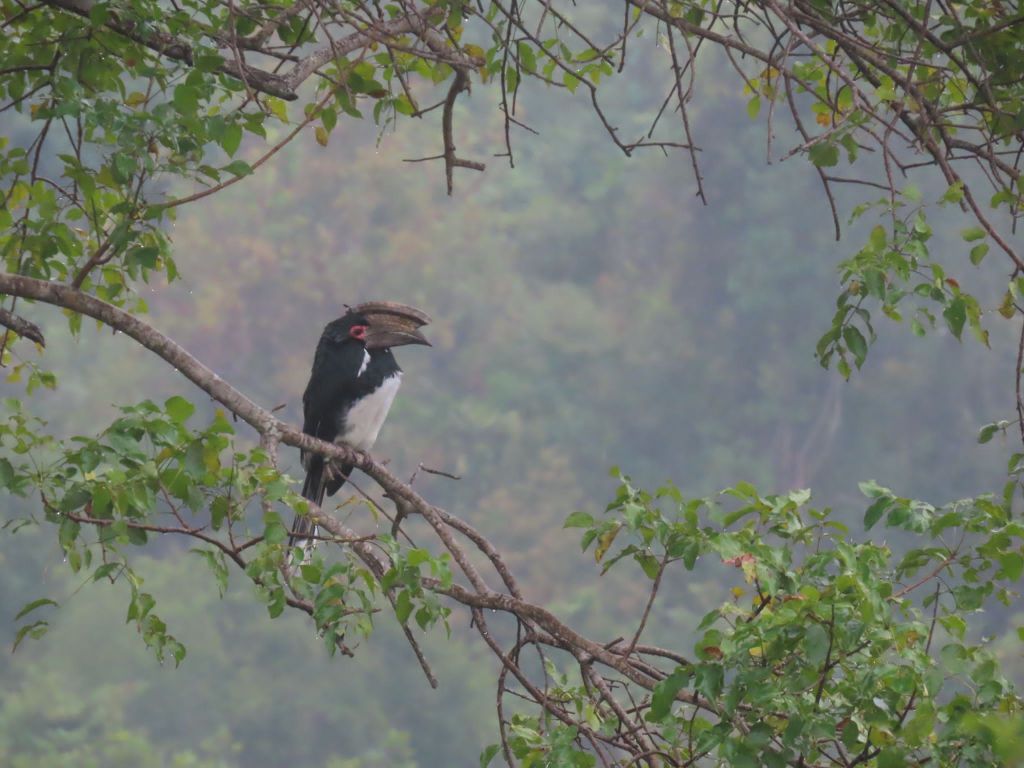
9. Trumpeter Hornbill – Though trumpeter hornbills are classified as Least Concern on the IUCN Red List, their population numbers are declining. Many hornbill species are hunted for their casque, which is sometimes used to make jewelry and carvings. The helmet-like casque on top of a trumpeter hornbill’s bill is thought to aid in sound production. This bird’s strong neck, complete with fused vertebrae, help stabilize its head against the weight of the casque.
10. Great Egret – which is the symbol of the National Audubon Society and represents a conservation success story.
How did we get there and interacted with the local community?
It took us an hour to travel from Zomba city center to Kachulu dock on the lake. We hired a canoe including its friendly navigator, Lovemore, who took us to Kachulu port, the site with most bird population and to Chisi island at a total cost of UD$12 (MK12,000).
Here’s more about Lake Chilwa!
Lake Chilwa (15°15’S 035°45’E) is the second-largest lake in Malawi after Lake Malawi. It is in eastern Zomba District, near the border with Mozambique. Approximately 60 km long and 40 km wide and covering 224,800ha, the lake is surrounded by extensive wetlands.
According to Ramsar, lake Chilwa is shallow and saline, subject to seasonal variations in water level greatly influenced by lack of outlet seasonal rains and summer evaporation. It is urrounded by dense swamps, neutral to acid marshes and seasonally inundated grassland floodplains. The lake consists of numerous islands, two of which are permanently inhabited, including a relatively popular Chisi island.
The people around the Lake: How do they survive, make money and use Lake Chilwa?
Apart from human settlements, activities include fishing, agriculture (rice and dimba cultivation), and livestock grazing. The fishery annually contributes 25-30% of the total fish production in Malawi. Lake Chilwa is shared with Mozambique. About 335 villages with over 60,000 inhabitants engage in fishing the lake, and pull out over 17,000 metric tons each year. According to WESM, the output can go up to 24,000 metric tons and can be worthy of nearly US$17 million a year.
Conservation issues and our initiatives at Lake Chilwa
In 2013, the lake dried up. To survive and cope up with extreme income gaps, the fishing community resorted to bird hunting which saw 1.2 million birds wiped out. The hunting even gradually extended to tabooed birds that were spared in the early stages of the fish disappearance. By 2018, the birds disappeared too on the western side of the lake that led to rampant cutting down of Magnificent wood trees on Chisi Island.
The dryness of the lake was largely attributed to deforestation on the Zomba mountain, where Domasi and Likangala rivers that feed into the lake spring from. Zomba mountain forests, where we do most of our conservation activities, are under a constant pressure from illegal charcoal and timber producers.
In response, Zomba Tour Guides Association and Nankhunda Transformation with support from Zomba Forest Lodge and Zomba TREEZ, started reforestation of the Likangala river banks starting from its tributaries.
 COMP@SS