All posts by interComm

STILL NO INTERNET VISITORS: APRIL MONTHLY HIGHLIGHTS


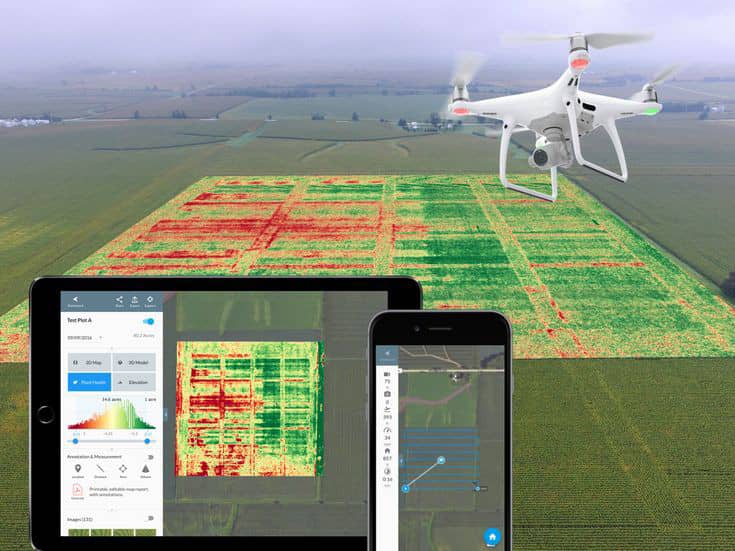
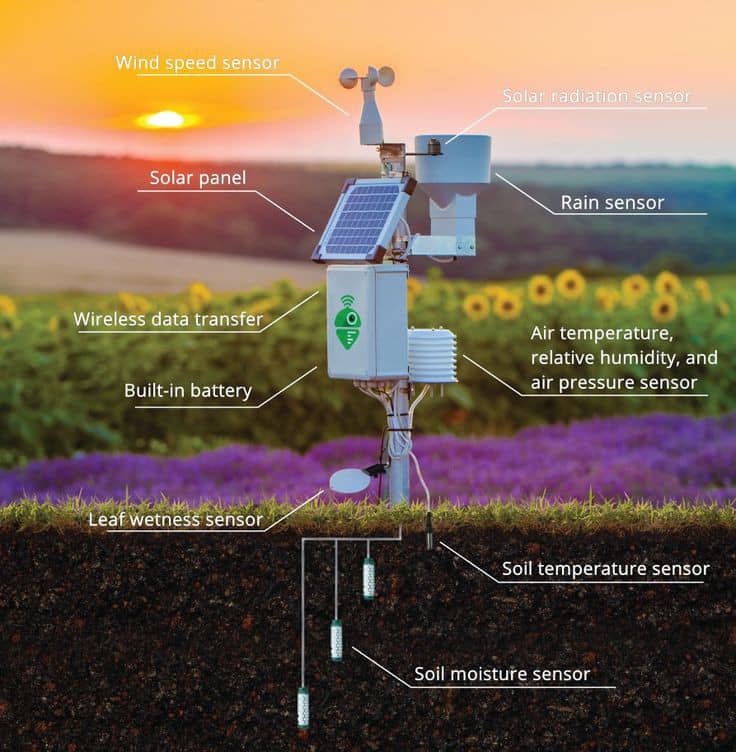
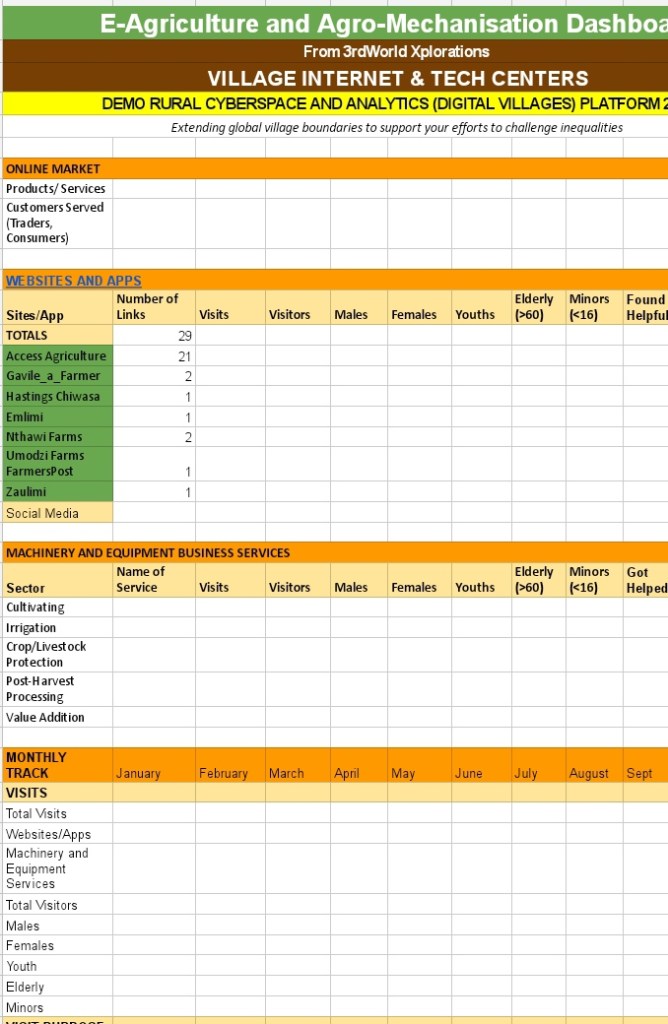
An excerpt from the e-agriculture and agro-mechanisation analytics dashboard

Here’s how 3rdWorld Xplorations progressed with development of the rural cyberspace and analytics platform in the month of April 2023 during the Cyber 3rdWorld Expeditions 2023.

The rural cyberspace and analytics platform, aka, the Village Internet or Internet of Villages is a social media-based platform anchored by local small businesses through local agents in the rural areas with aim to help rural communities use internet and other advanced technologies and simultaneously generate data that can be used to design cost-effective permanent solutions.

In the rural communities, local agents are engaged to facilitate rural access to relevant internet content and collect offline user data that also includes household and village social-economic and environmental affairs, using a tablet.
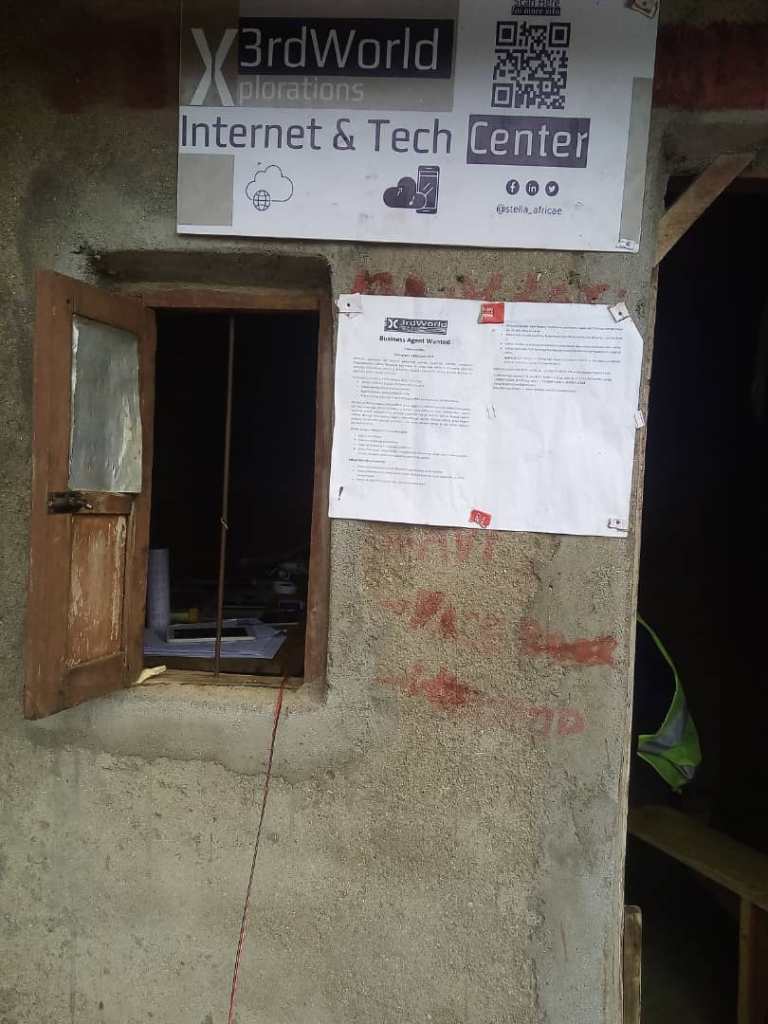
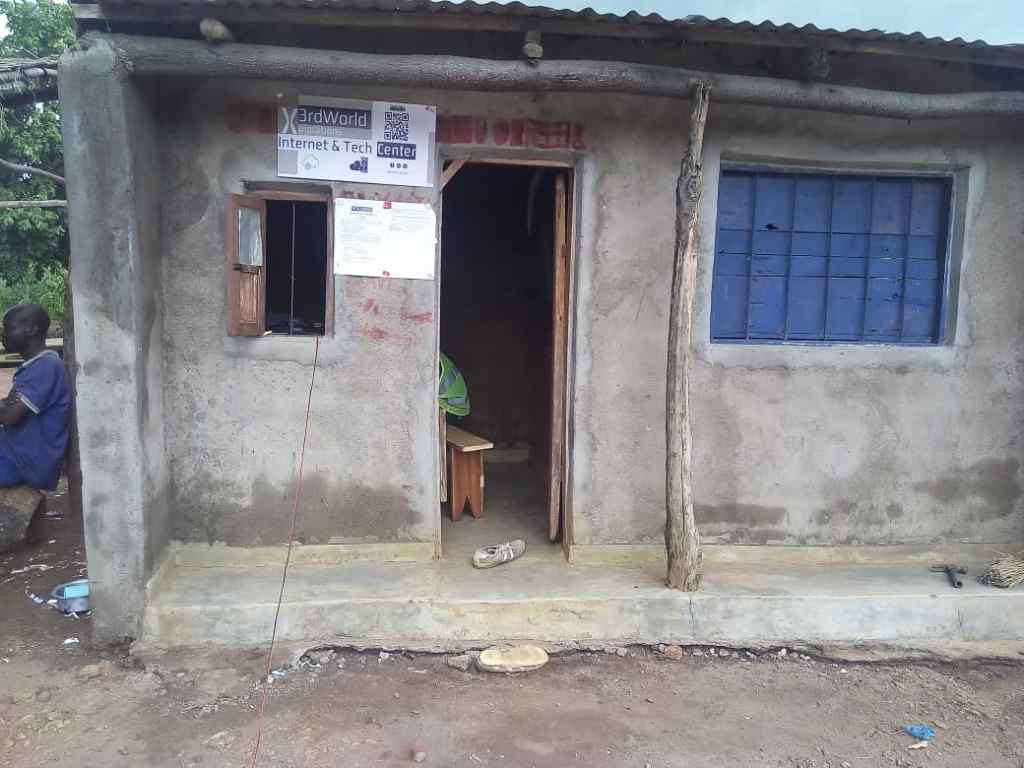
A local/rural internet and tech center

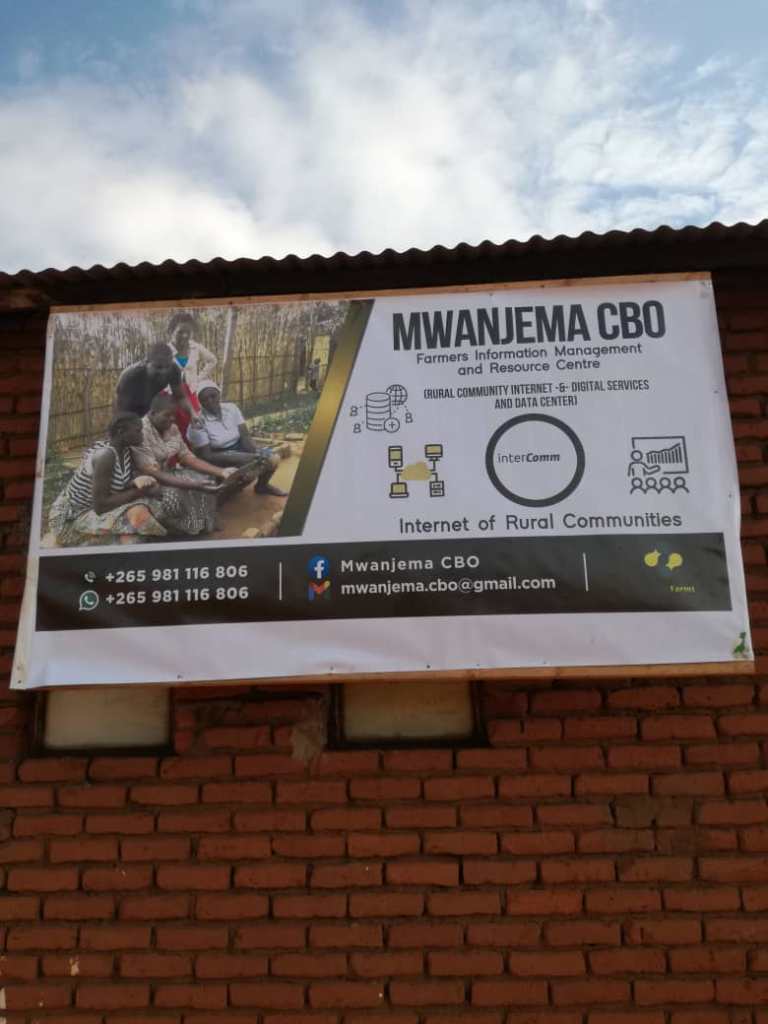
The agent operates at a place designated as local internet and tech center located at local village market where the rural community members are served with ordinary businesses and get exposed to the platform so that they can have an option to visit the relevant websites or apps available, in attempt to overcome their social-economic challenges.

The agent benefits from sales commission, data collection rewards and technical as well as some financial support to their business, career development, or social impact initiatives. The agents are also supported with welfare funds in case of illness and related problems.

PROGRESS
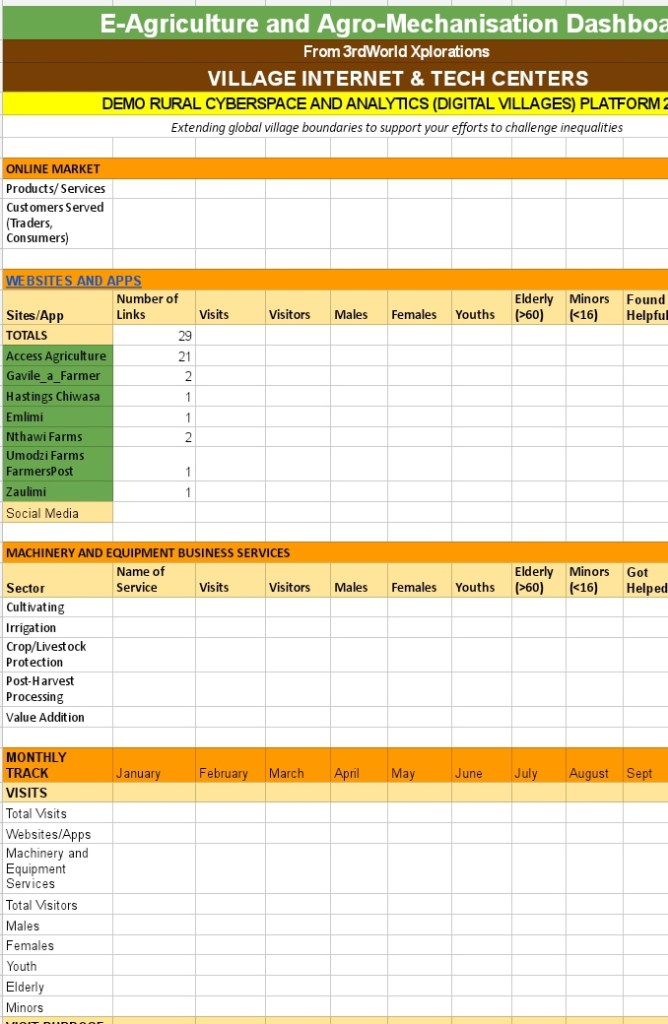
E-Agriculture and Agro-Mechanisation Analytics Dashboard

Since its roll out on 14 February 2023 through two centers (Domwe and Mayera) in Blantyre district, no one visited the websites and apps that have been linked to the platform except one visitor who was somehow influenced to do so.

Until end of March end early April, 2023, 68 people visited the Domwe center while 17 people visited the Mayera (M’dala) center since14 February and 5 March 2023 respectively. Both centers have had notices that indicate the availability of the internet services.

In a few circumstances, some tended to inquire about the “Internet”. Often, they asked if there was an “NGO” behind the service or they could go straight to ask if there would be some donations. Once they learnt that there is nothing like that, they ignored it.

This was one of most important lessons. It was a confirmation of what has been observed all along. It is an indicator that the target beneficiaries aren’t interested in longterm solutions, but immediate ones. It was not a surprise, it was expected like that.

However, the centers were also disturbed by other circumstances. Domwe center agent caught scabies while Mayera center had malfunctioning phone-charging equipment. Domwe center was shut down for safety of visitors early April.
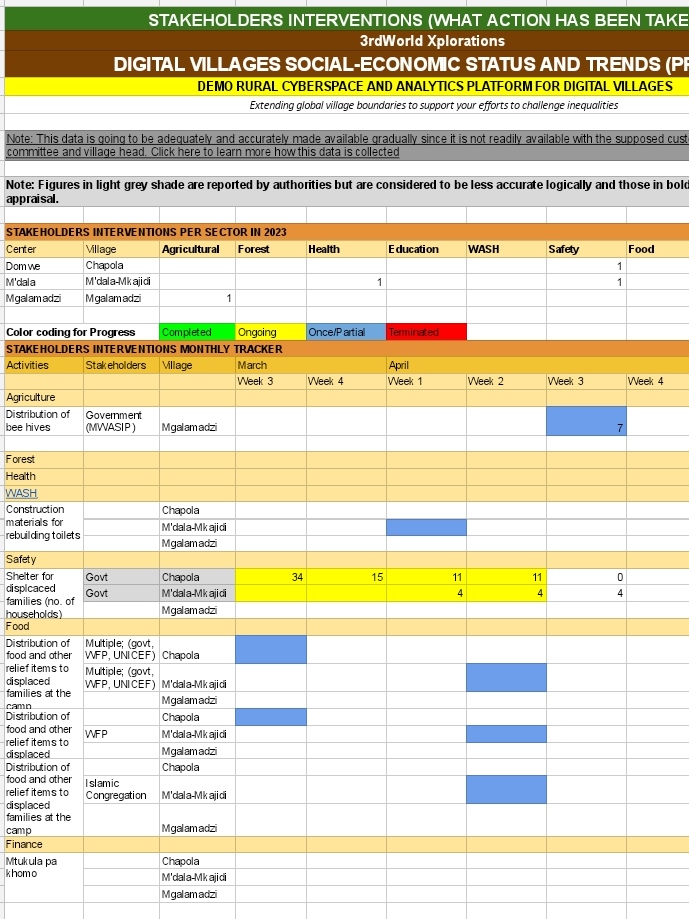
A screenshot of the demo social-economic status and trends dashboard

Despite the halt, community social-economic status data were still collected where a Cholera case was reported by a community volunteer at Mayera center. Whilst, the Domwe agent was prompted to visit a WhatsApp link in order to identify the skin disease that was indeed confirmed as scabies as suggested by other social media users.

WHAT’S NEXT?

This visit was also used to test the effectiveness of the prompts that are being created to spark the recognition of relevance of the internet content among the rural people – which is the missing link – where people are unable to connect the solutions with their real-life needs. The test results were positive.

This and other strategies designed in December 2022 will be deployed gradually. One of critical strategies to be deployed this time around is that of e-trading services. Even though conceptualized earlier on, it has been revised to become the front end of the platform, than just a part of it. This version is yet to be rolled out by 7 May, the day the rural cyberspace idea was first rolled out for testing in the field in 2022.
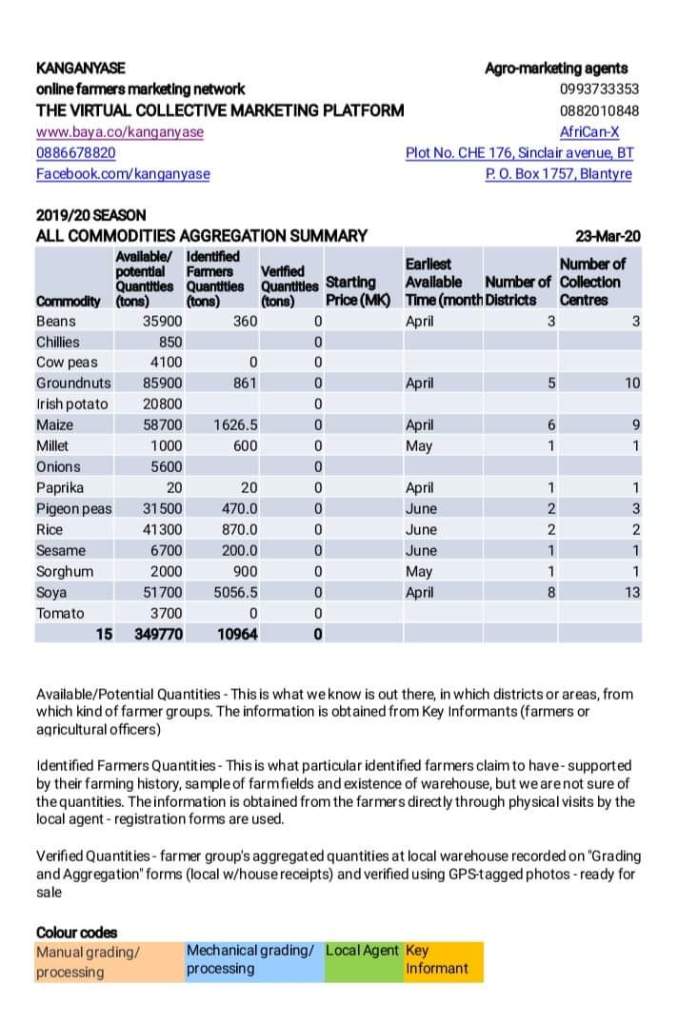
An excerpt from Kanganyase marketing platform

The same period also marks the month the predecessor idea, the online agro-marketing platform aka Kanganyase was shut down soon after rolling out in February 2020. In this regard, the idea has evolved from an online agro-marketing platform, conceptualized in October 2019 and rolled out in February 2020 soon after learning some ideas from the Feed The Future Indian Triangular Training program.

The e-trading services is basically a revival of the online agro-marketing platform idea that once looked absurd to many and it really proved an almost impossible mission. Thanks to the lessons learnt throughout the journey, the puzzles have almost been solved. However, it still remains to be proved. It’s perfection will take time with more tests and practice. It is complicated and risky since its value sits on reduced buying prices of groceries for the rural.
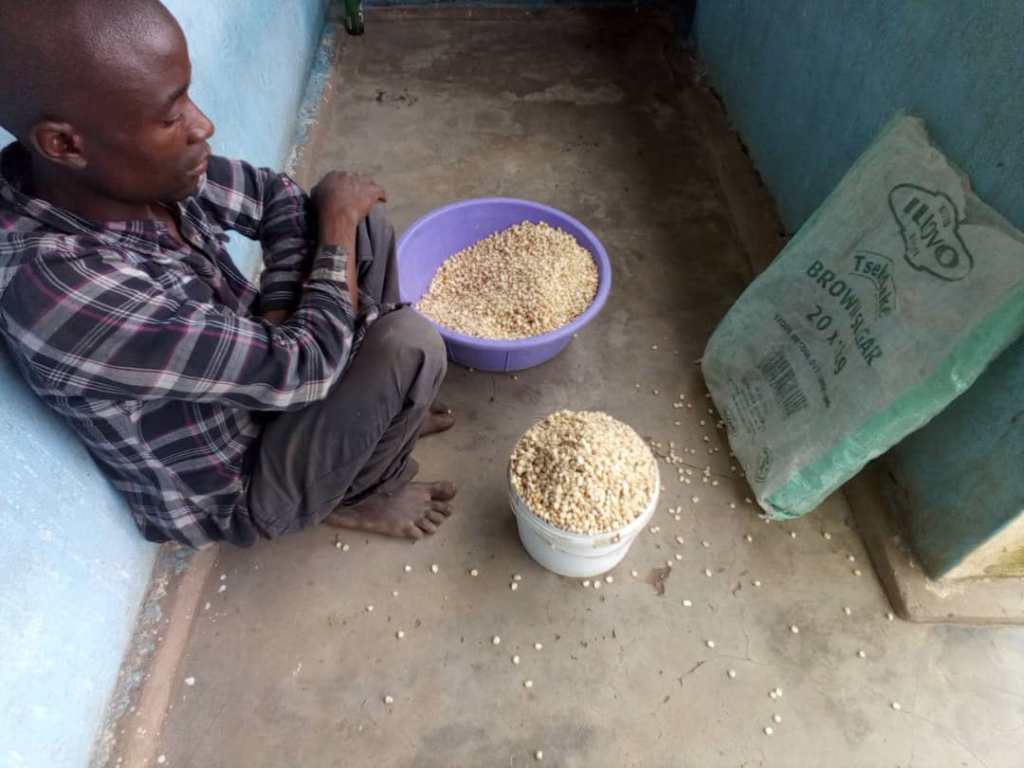
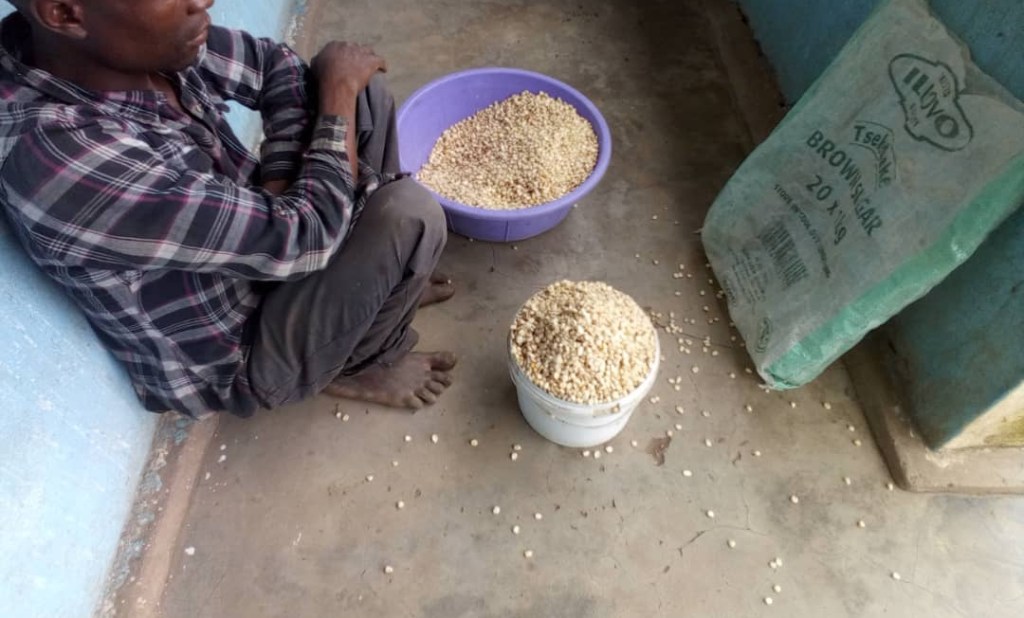
One of more than 11 farmers visited one of the Internet & Tech centers to seek market to sell their maize

Much information about it will be shared on 9 May when we will be sharing our experience from the attempt to help rural people buy or sell online, and most importantly, their reaction or response to internet prompts. Will they be able to recognize the relevance of the available solutions to their real life problems?
At this point, e-trading service seems to be the most missing link as it also positions the rural cyberspace platform at the best angle to easily generate critical local data than before, including data that may establish whether poor farmers in a particular village might adopt available solutions to save maize or grow more food for food security, or not.

However the success of the e-trading services is just like that of SpaceX Starship’s mission to mars. It’s an ambitious and seemingly unachievable idea. However, that does not deter 3rdWorld Xplorations, instead, it brings a kind of “thrilling” excitement and inspiration for taking a very challenging mission which many would not choose to.
RURAL CYBERSPACE UPDATED


This farmer and other 10 farming households visited Mayera (M’dala) Internet and Tech Center in search for maize market the first week of April, 2023.

On 14 February 2023, with a simple notice on the wall at our kiosks, we slightly opened up the access to internet to the rural communities around Domwe trading center and from M’dala village in Blantyre district.

And none of them visited, including the agents themselves. This was a test.

A simple notice did not compel rural residents to see what’s on internet.

We learnt that putting a simple notice without attachment of insights or names of popular NGOs is less likely to make “internet” attractive to the rural people.

We now have the assumption that the rural people might either truly find it necessary to use internet after exposure to insights or falsely feel urged to use the internet when some big names are attached.

Why?

In most cases, some could be attracted with the notice, but once they learn it’s a private kiosk, they turned back and say, “ah, ndimaona ngati ndi za mabungwe.” (“I thought it’s from NGOs”).

At one time, one woman asked, “so after learning a [agricultural] lesson from your internet, when will we receive the inputs?“. When the agent said there’s nothing like that, she told him that then it’s not worth it.

In other two cases, another married woman and a young female secondary school student also made similar sentiments.

But all this was expected. This has been already pointed out and it is essence of our existence – to fix that;

  • what people need often misalign with what they desire or expect.
  • people may need change, but are rarely ready to.
We already have a number of strategies in place. As we prepare to roll out a few of the available strategies, here’s what has happened;

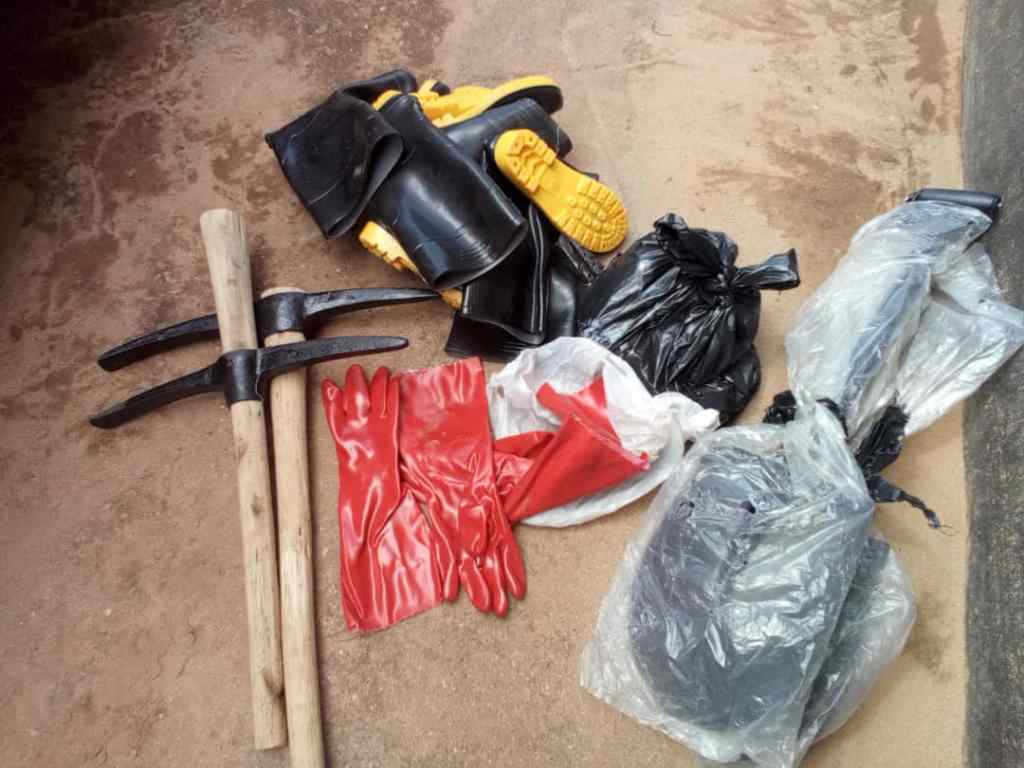
Member of parliament donated construction tools to support a local community initiative which has been mobilized by Village Internet’s agent, to rebuild destroyed toilets in their village.
  • A little more links have been added under agricultural and healthy sectors.
  • A single personal internet visit was registered – for testing purposes.
  • A new critical category of the internet and tech centers visitors was registered – seeking market for their newly harvested maize, providing an opportunity to capture indepth info about food security and farm incomes strategies
  • With little incentives, the village leaders and development committees “somehow” “naturally” accepted the invitation to “sign in” on the Village Internet, to build their village profile and shared some current social-economic development affairs – becoming the leading Village Internet users.
  • About 8 social-economic cases under agricultural, healthy, safety/wellbeing and transport sectors have been recorded.
  • Most interestingly,
    • One local agent has mobilized a local community initiative which has been backed up by the village headman and member of parliament – an outcome that was thought would not be possible.
    • A village civil protection committee leader has made a “natural” request for a support over early childhood education.
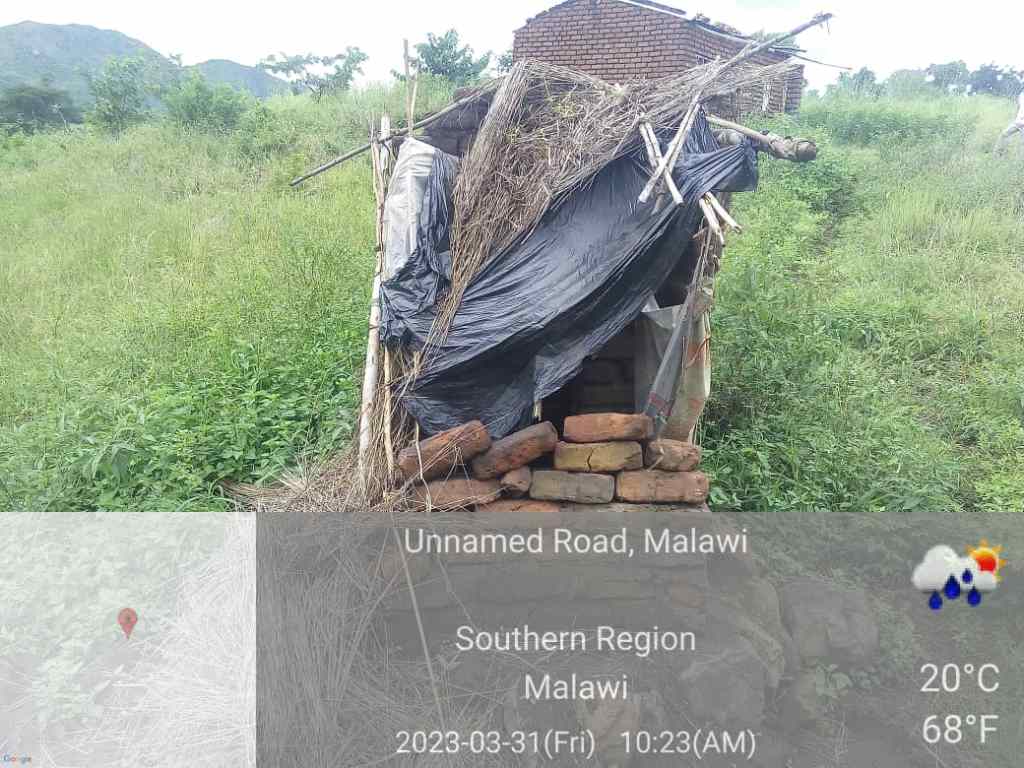
The already few toilets had been destroyed by cyclone Freddy and heavy rains in both demo digital villages, leaving families in sanitation and hygiene crisis.
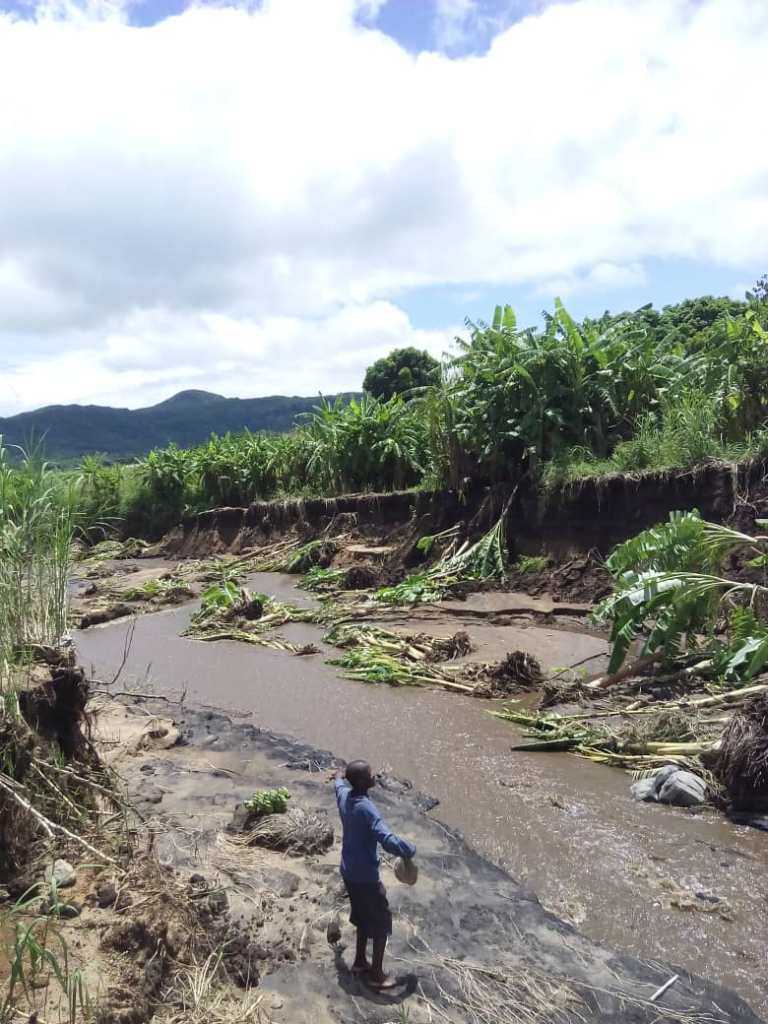
Crops were not spared by the extreme weather events in both demo digital villages.

Visit the data pages to track the villages’ recovery and coping strategies.

WE’RE REBRANDING, IT’S GONNA BE A LITTLE VILLAGE GOOGLE!


By George Z Goliati

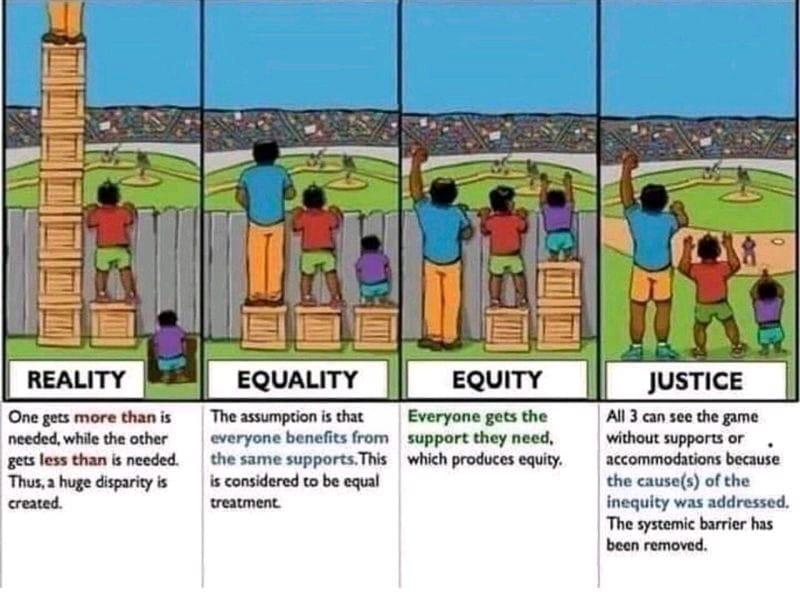
3rdWorld Xplorations seeks to break the barriers to equality using technology and statistics

Whilst maintaining operating as a social enterprise and maintaining our vision and mission to challenge inequalities, we’re rebranding to a more commercial perspective.

We’re eliminating 99% of non-profit-oriented terms and statements in our verbal communication.

What was referred to as the “Internet of Rural Communities” is now referred to as “Village Internet” or the “Internet of Villages“. It’s no longer defined as “rural data collection platforms and cyberspace“, it’s now “rural cyberspace and informatics“.

In the villages, it’s just “internet” services just like you would describe and access the internet services at a cafe in the city. We’ve used phone bureaus when we had no phones of our own, now we, including rural communities, go to mobile money agents for services that we can’t do on our own, so why not internet services for the rural masses who have no access to?

We’re trying to build human-assisted digital interface, a little village Google, that accommodates even the most elderly village women (azigogo) into the global [digital] village with a very friendly, soothing and magical experience.

On the other end, donors, development services providers, traders, entrepreneurs and tourists will be able to connect with or reach out the most targeted groups or individuals and fully “be there” to get more details at a cost of half liter bottle of water. With that, the community becomes a digital village.

Since the internet services will be provided at free of charge, they will be accompanied – but superseded or overshadowed – by some kind of “Kabanza“, a new-but-very local small business service to be disclosed upon launching in December 2022.

There will also be other online business services including agro-marketing, cultural arts and/or eco-tourism marketing and labour services, accessible to everyone in the rural areas.

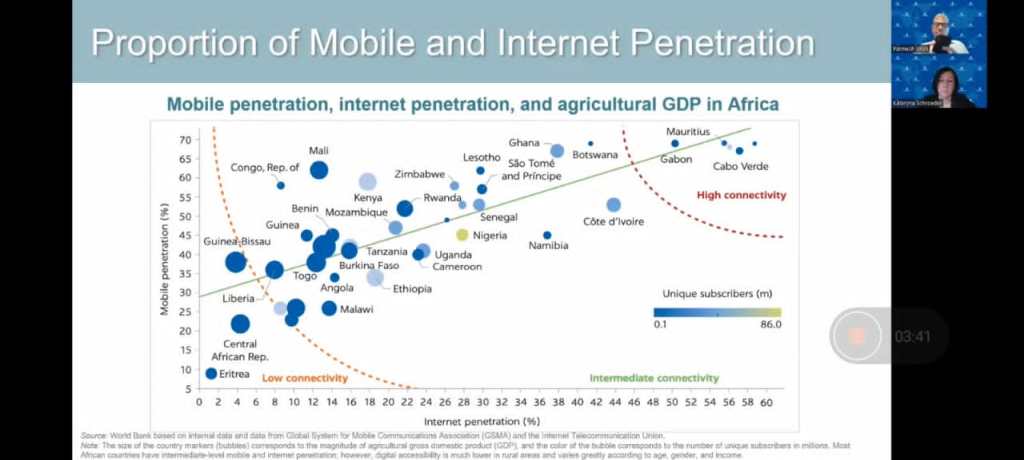
Mobile and Internet penetration in Africa

Why Rebranding?

In October 2022, we discovered that we could overcome our biggest barrier by wearing a commercial face.

What’s our biggest barrier towards progress?

Even though discovered in 2015, we finally concluded that “traditional approach to community development” is almost everywhere and is a hard-to-uproot culture, in August 2022. We thought some players like independent community-based organizations (CBOs) could be easily redirected. We were wrong.

What’s this culture?

It’s a very tricky subject to talk about. It’s common problem that almost everyone is aware but is hardly admitted to exist. It has become a norm and critiques are perceived as envy and jealousy.

This is the tendency to focus on immediate benefits from community development solutions where beneficiaries expect to receive free items just to satisfy immediate needs and stakeholders expect to cash in for “being there”, without contributing to long term progress.

It is the major challenge to development itself and the worst thing is that almost everyone thinks it’s the way to go, making it to become permanent and fortified.

We eliminated engaging experienced community development practitioners. It has worked. Now we are eliminating 99% of apparent community development features on our brand.

We realize that we cannot achieve our goals using the traditional approach to community development employed widely by 99% of practitioners. According to Albert Einstein, you cannot solve a problem using same ingredients and methods that create it.

Gender Disparity In Accessing Rural Internet and E-agriculture Services


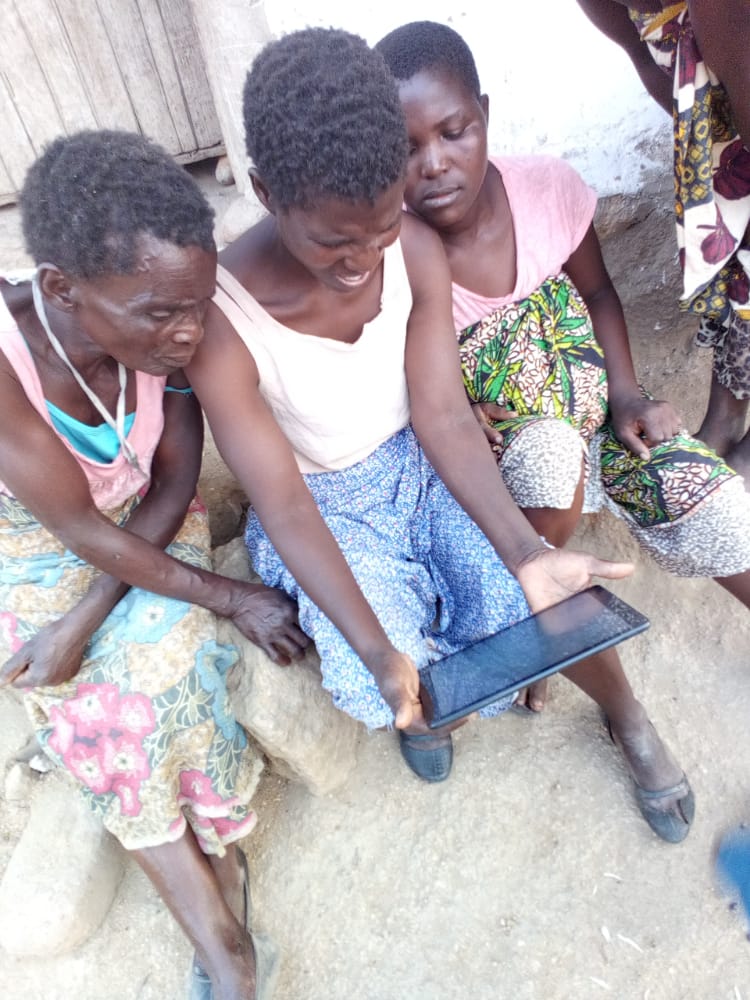
Women watching a video from Access Agriculture website in the test digital village in Blantyre district (Malawi). Photo credit: Harold Chitowe (October 2022)

By George Z Goliati

In the first four weeks of serving M’dala village with internet services, only a smaller proportion of women visited the agent’s center. After closing the center for a mobile approach, the agent (Harold Chitowe) went on to evaluate the community’s awareness of the organic fertilizer he was marketing and farmers’ likelihood to buy.


From the household interviews, the agent noticed that men who came over to learn more about the fertilizers were less involved in the farming activities. The women got secondary information from their husbands. This was a typical experience of gender disparity in agriculture which has been widely documented.


The experience provided an excellent early warning of how women, who are the target, could be left out again in this program. An examination into the local driving factors, generally converged to social norms and values, with some sort of stereotypes and gender-based violence and abuse.

Women are regarded as labourers not decision makers, therefore there is a tendency of exempting them from accessing the novel internet or e-farming services by their husbands.


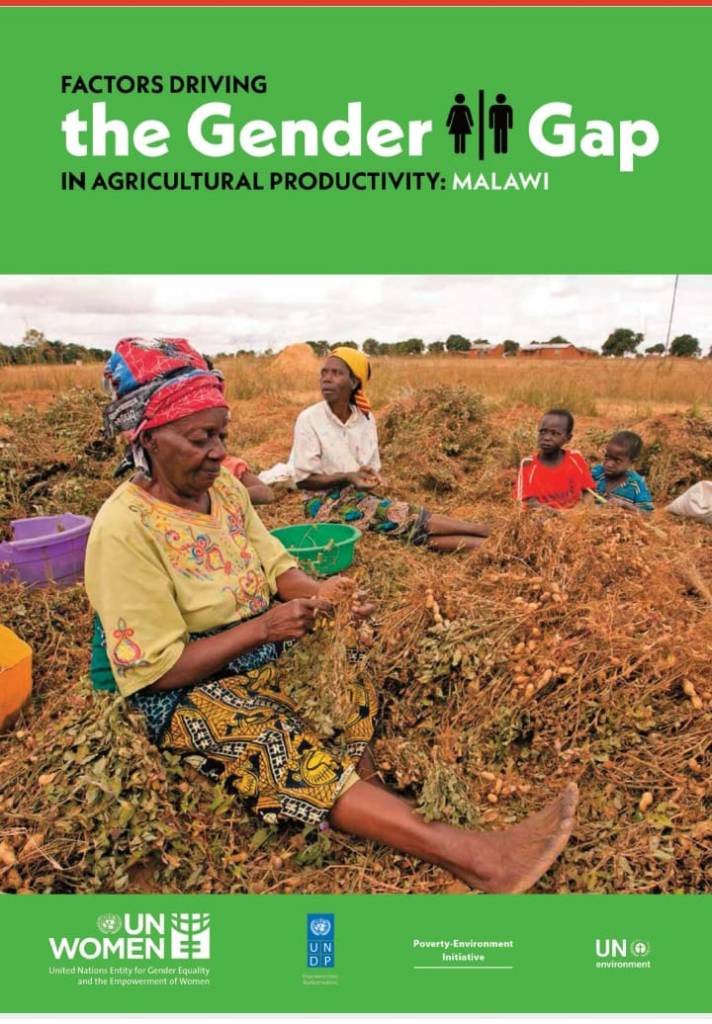
According to a FAO’s 2011 working paper, women comprise an average of 43 percent of the agricultural labour force of developing countries. However, overall the labour burden of rural women exceeds that of men, and includes a higher proportion of unpaid household responsibilities related to preparing food and collecting fuel and water. This and the field experience concur with what was documented in the UN Women’s report, Factors Driving The Gender Gap in Agricultural Productivity in Malawi (2019).

A cover page of the UN Women’s report, Factors Driving The Gender Gap in Agricultural Productivity in Malawi (2019)


The FAO’s paper further indicates that women’s participation in rural labour markets varies considerably across regions, but invariably women are over represented in unpaid, seasonal and part-time work, and the available evidence suggests that women are often paid less than men, for the same work. The contribution of women to agricultural and food production is significant but it is impossible to verify empirically the share produced by women.


Compared with their male counterparts, female farmers in all regions control less land and livestock, make far less use of improved seed varieties and purchased inputs such as fertilizers, are much less likely to use credit or insurance, have lower education levels and are less likely to have access to extension services (FAO, 2011).

Gender Disparity has been recorded from way back. Andrew J. Sofranko and Frederick C. Fliegel in their study in 1989 found that farmer training and technology utilization had fewer benefits to female operators and smaller farmers.

According to the UNICEF National Traditional Practices Survey (2019) report, 9% of the women interviewed were married before the age of 15 years, while 42% were married before the age of 18 years.


However, women must not be completely seen as victims. The agent also came across two cases where women rose up against their husband’s participation in the testing of the organic fertilizer, that is, thwarting adoption of improved/sustainable technologies. There was no clear reason why these women did that.


In order to overcome gender disparity, the internet and e-agriculture agents will employ a more mobile approach than operating from the center so that the women are reached out on the farms. In addition, women will be offered lower rates when hiring (motorised) farm machinery. They will also be allowed to borrow pesticides if they prove to have no cash.

Reference

1. The Role of Women in Agriculture in The State of Food and Agriculture 2010-11: Women in agriculture: Closing the gender gap for development (2011).


2. UN Women’s Factors Driving The Gender Gap in Agricultural Productivity in Malawi (2019).


3. FAO State of Food and Agriculture 2011: Women in Agriculture: Closing the gender gap; page 8


4. Malawi’s agricultural development: a success story?

5. UNICEF National Traditional Practices Survey Report (2019).

PRACTICAL IMAGINATION OF DIGITAL VILLAGES

A Quest To Prove If Digitalization of Eco-Farming and Eco-Tourism Can Save Michiru Forest Biodiversity and Its Economically Desperate Dependent Villages As Imagined


By George Z Goliati

Despite financial limitations and being far from key players’ expectations and desires [and being perceived unrealistic], we are still determined to test the transformation of digital villages.

We just completed the first of 3 steps of Benchmark Setting for the M&E program, the overview social-economic analysis, in a community that we found is economically desperate after heavily deforesting it’s depended forest and has an extremely low agro-development level within the current international agro-economic woes.

In digital villages, donors, NGOs, researchers and entrepreneurs, can easily disseminate or distribute newly developed needed technologies and access more evidence to design cost-effective interventions through the rural community internet, digital and data services locally provided by local organizations or social entrepreneurs under the low-cost rural community data collection (M&E) platforms and cyberspace, we are attempting to develop.

Overview Analysis of Social-Economic Status in a Rural Community Targeted For Digital Transformation

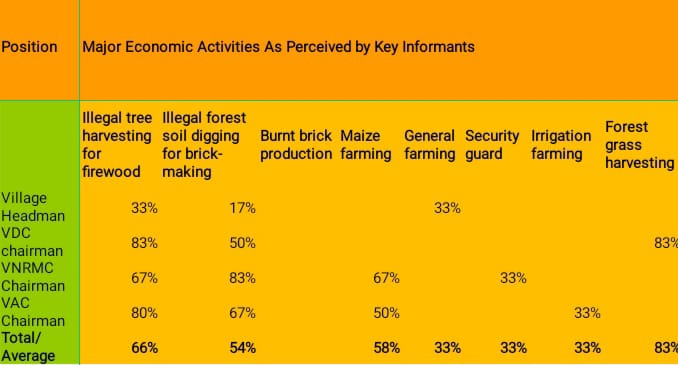
Table 1: Major Economic Activities in Villages Close to North-East of Michiru Forest As Perceived By Key Informants

Despite being close to Blantyre city, households in the north east of Michiru mountain forests have limited access to reliable sources of income.

It shows that the community has been depending on rain-fed maize farming and the forest to meet most of their daily income needs and shocks (Table 1).

Some are employed as security guards while some are involved in various small businesses, including piece works or casual labour around the city and within the area – which often do not meet their income needs.

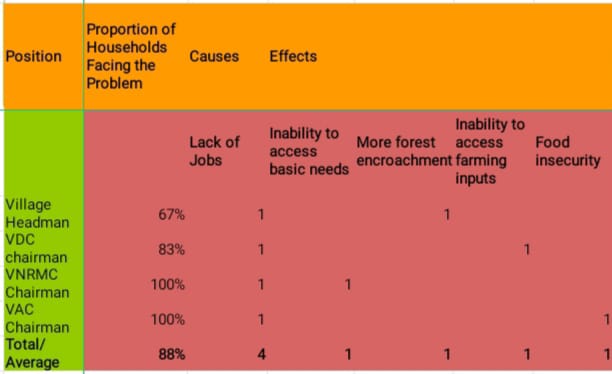
Table 2: Households in Economic Despair Due to Deforestation of Michiru Forest Reserve, Causes and Effects

With no alternatives, the community critically depends on the forests, a phenomenon that has resulted to its deforestation, making the economic resources more scarce to the community, consequently recycling its poverty as many households become economically desperate (Table 2). Watch this video.
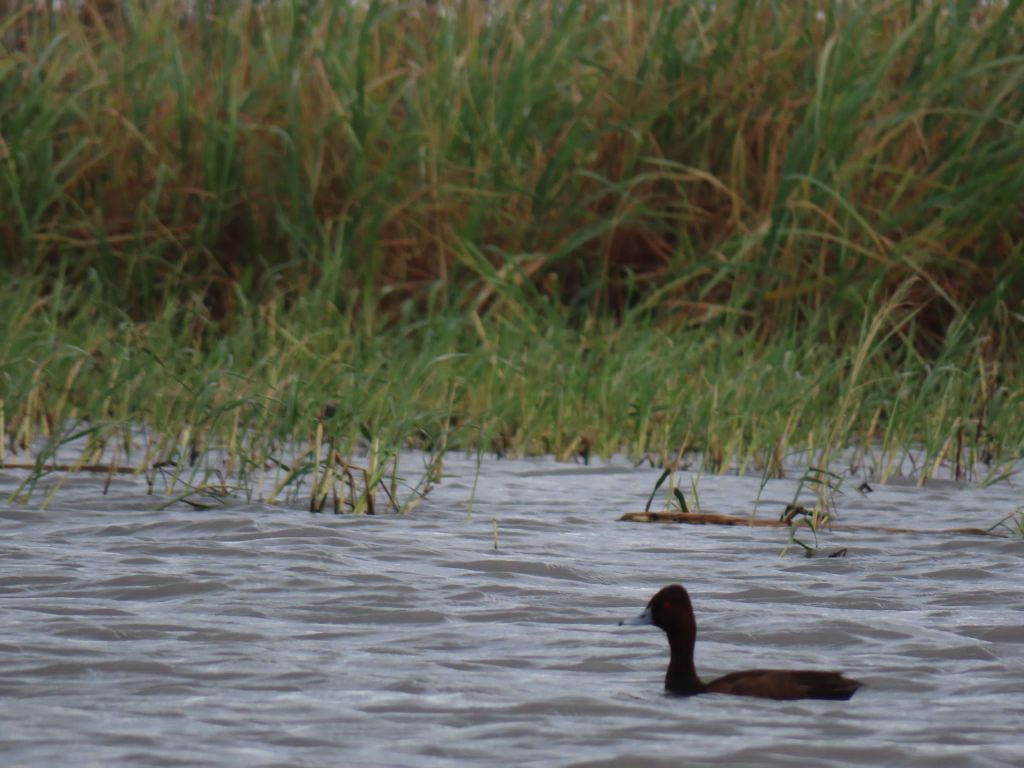
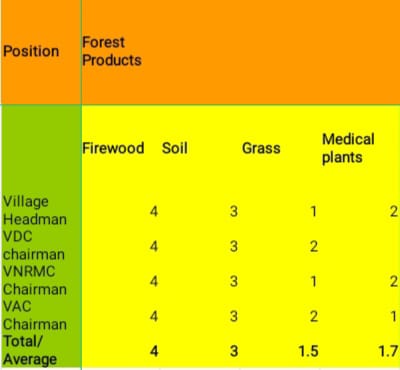
Table 3: Major Forest Products Commonly Used By The Villages

Firewood and soils for brick burning are the two major forest products that keep households survive when all other means of income fail (Table 3).
Incomes from forest exploitation range between K2000 (USD2) and K7000 (USD7) per day per person. However, forest exploitation risks fines as huge as K200,000 (USD200). Watch these videos, Part 1 and Part 2.

Some households used to reside within the forest and benefited on cultivating on virgin soils at the expense of forest cover. They were later moved out by the department of National Parks and Wildlife.

Forest over-exploitation has resulted to decreased availability of forest resources to the community, which has been compounded with increased restrictions to access the remaining forests by the department of National Parks and Wildlife (Table 2).

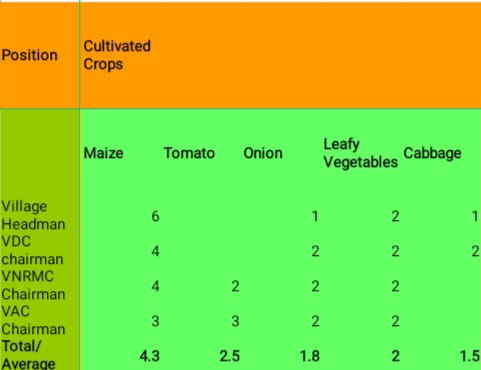
Table 4: Cultivated Crops Cultivated in The Villages Both Rain-fed and Irrigated Off-season

Some households have resorted to irrigated horticultural farming that includes green maize, tomato, onion, cabbage and other leafy vegetables (Table 4).

For these few households who have been trying to venture into winter cropping to supplement rain-fed maize output, the business has been tough as inputs cost are skyrocketing, especially fertilizer, and their plant-healthy management skills and produce markets are limited.

Figure 1: Farmers Use Basic Manual Farming Tools – They Have No Access to Any Improved Facilities

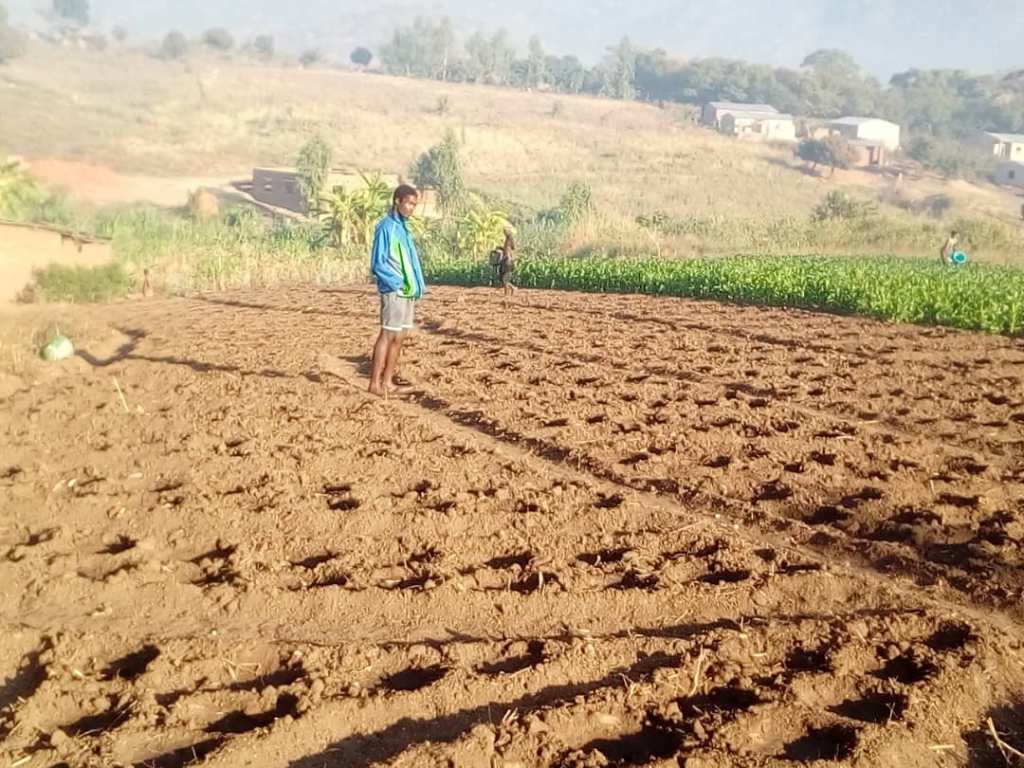
Agricultural development level is very low. The farmers reported a limited access to agricultural extension services and generally know less about pests, diseases and their management. The farmers revealed that they mainly sell their produce to community members, mobile vendors and nearest markets. None of them mentioned of high value or formal markets due to their proximity to the city. They use basic tools such as hoes for tilling, watering canes for irrigation and use bicycles to transport harvests to the markets (Figure 1). Watch this video.

Whilst the existing farmers are reducing production output in response to price increase and resource constraints, the few presence of farmers cultivating the gardens indicated it may not be an attractive option for many households.

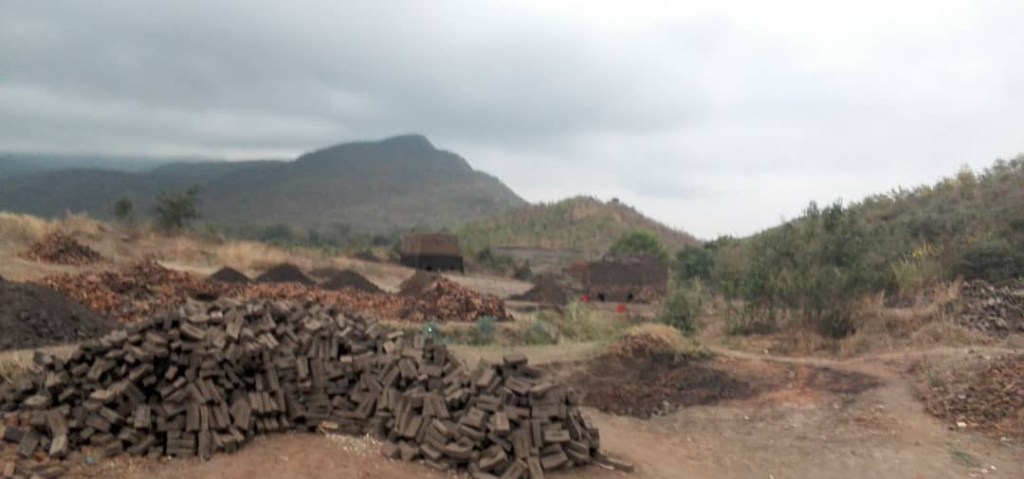
With no other options, the majority of households are likely still depending on the forest despite the maximization of its protection by government authorities, worsening the current deforestation state, as evidenced by presence of many brick ovens along the forest perimeter.

No any community-based conservation initiative was mentioned in the survey. Instead, some feud between the community and the government authorities were confided.

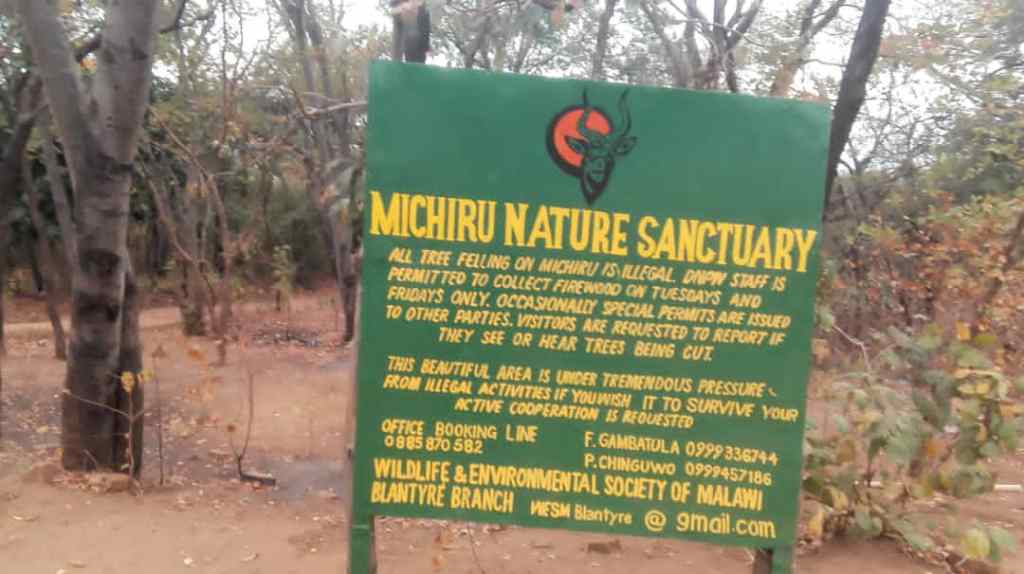
Wildlife and Environmental Society of Malawi, A Major Stakeholder Identified Striving to Maintain the Sanctuary

It was noted that the Wildlife Environmental Society of Malawi (WESM) is a major stakeholder that is actively trying to protect and maintain the nature sanctuary. Some organizations that were mentioned by key informants include National Initiative for Civic Education, World Bank, John Hopkins and UNICEF. However, the key informants did not explain their exact interventions.

Even though not mentioned during the interviews, without nature-based incomes, this might be already inciting criminal and negative social behaviors including prostitution and thievery, considering the communities’ proximity to the urban area.

WHERE ARE WE? Testing The Rural Data Collection Platforms and Cyberspace Through Digital eco-Agro-Dealer Social Entrepreneur


By George Z Goliati

In August 2022, the Digital eco-Agro-Dealer (DECODER) concept field-testing project was launched in Blantyre district’s peri-urban villages around Michiru forest with an aim to eventually foster establishment of a CBO to host the rural data collection (M&E) platforms and cyberspace – in the attempt to transform the communities into digital villages for the first time in Malawi.

In the community, it was introduced as distributor of eco-farming inputs such as organic fertilizer along with access to online agro-advisory and data collection (monitoring-and-evaluation) services that support the community’s agro-development which can provide more business opportunities to the enterprise (Watch this video).

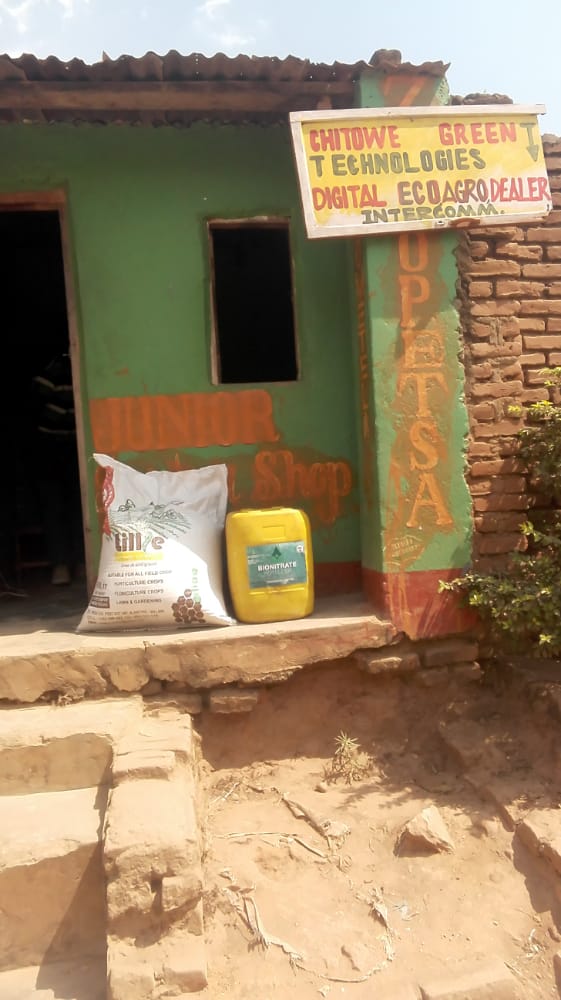
A young man by the name of Harold Chitowe, took this initiative as alternative to his unemployment situation, to put his idle time into productive use. He has been using his [poor condition] smartphone, acquired his own furniture and painted his own sign post to host the rural data collection platforms and cyberspace by providing internet, digital and data services to the rural community as Chitowe Green Technologies, a Digital eco-Agro-Dealer shop.

The DECODER was designed to follow the same data collection platforms and cyberspace model with some slight adjustments and eventually bring local volunteers on board, who subsequently form a radical CBO which takes over the community digital transformation.

In order to establish a successful Digital eco-Agro-Dealer shop, which offers options for low-cost farming inputs and access to knowledge/skills, it has to provide a value to many community members as much as possible.

Therefore, we had to assess the value of farming in the community and if it is limited by cost of inputs, knowledge and skills shortage and other agronomic factors. That is, “do they need shop?”.

This is basically the first part of the situation analysis, the problem verification – which is meant to confirm the pain point claimed by the local individuals aspiring to host the platforms and cyberspace. It attempts to answer the question “what is the particular community’s key social-economic problem(s), of which statistics and internet-based information would make sense to them and entice genuine interest and urgency to seek permanent solutions?”.

If the problem is misaligned, then the statistics and internet-based info might be useless to the community. In other words, digitalization of a rural community has to build upon its crucial social-economic matters distressing the majority so that interventions designed and delivered by the donors, NGOs, researchers and entrepreneurs are fully utilized rather than used as access to allowances or other immediate benefits only.

In this testing phase, we wanted to know if farming is offering an alternative to current economic crises and if the farmers are constrained by inputs cost following the rise in chemical fertilizer prices and devaluation of Malawian Kwacha currency, knowledge and skills gap and of course any other factors. We had to answer the following questions;

1. What does the community economically depend on?

2. Is the main economic activity or resources satisfying needs of the community?

3. If not, is farming offering an alternative to existing and uprising economic crises?

4. Is farming constrained with inputs cost, knowledge and skills gap, markets limitations, logistics, resources shortage, climatic or ecological and other related factors?

To answer these questions, a rapid appraisal, which involved random interviews with farmers and key informants and observations was conducted. See the results here.

A Little Reminder About Us: New Name, Same Mission!


Who We Are

AfriCan Xplorations has been renamed and registered as Third World Xplorations Research & Technologies aka 3rdWorld Xplorations.

Even though founded in 2015 as ecoarms, as a community-based organizations consulting firm, it is still an early stage social enterprise. After facing growth challenges eversince, the enterprise was revived as a consulting agency in tech-oriented community development research and extension services for donors, development services providers, researchers and entrepreneurs as well, in 2021.

Basically, it is just like any other research consulting firm that collects data for clients. The difference is on the addition of facilitating technology transfer, extension services or information communication to reach the last mile, the overall application of advanced technologies at the very local level in the processes and the focus on the impact or change.

What We Do and Why: Vision and Mission

The social enterprise was revived on a vision of a world where everyone has equal access to social services and sustainable development opportunities.

This necessited launching of a mission to help rural community organizations harness technology and data to help donors, NGOs, researchers and entrepreneurs design cost-effective interventions, and widely, effectively and efficiently serve their communities, even the most disadvantaged.

How We Are Doing It

To make our mission spontaneously possible and an infinite chain reaction, it was discovered essential to get every necessary information and data for rural community development organized into one place and easily accessible to everyone. That’s bringing the rural communities and development services providers closer and on to a same page.

It is this objective that transpired the attempt to build a simple semi-commercial low-budget web-based set of rural data collection (M&E) platforms and cyberspace for accessing and communicating necessary information and data for community development research, extension and business services. It is referred to as the Internet of Things Rural Communities (interComm)

More About The Rural Data Collection (M&E) Platforms And Cyberspace

For Who?

This set of platforms and cyberspace was designed to be hosted by community-based organizations (CBOs) or local “volunteers” who would perform the data collection and provision of internet and digital services to their communities. This has been extended to local social entrepreneurs.

In this move, the “volunteers” or entrepreneurs are provided with resource, technical and basic financial support. They are neither paid like normal data collectors nor not paid as “volunteers” per se.

What is supposed to power it?

The hosts ought to use the collected data to design local development foundations and as evidence of social-economic challenges to donors and NGOs in order to access funds that facilitate wide, effective and efficient operations for effective desired change and transformation of volunteerism into self-employment. That is, it offers a pathway for transforming CBOs from allowance-dependent volunteer groups to donor-funded nonprofit business organizations that offer some kind of employment for community development services.

As explained above, the platforms and cyberspace can only be viably and effectively hosted by local individuals who feel pain with their community or own peer social-economic challenges and are determined to lead a change they wish to see or to build a social impact self-employment from the scratch through some professional approach. Those who manage to see local development challenges as impact opportunities to build their career on.

It therefore becomes a compelling free consultancy service to these aspiring self-employed local change-makers or social entrepreneurs. Their local data is aggregated, organized and administered commercially to donors, development organizations and businesses for its (the platform and cyberspace) financing and sustainability.

A host (agent), either a local “volunteer” or social entrepreneur can engage multiple youths as digital facilitators and anyone as program facilitators, in form of a CBO or enterprise. It is proposed that each host or digital facilitator can monitor 25 to 50 households which form a village block. Coverage of villages will depend on availability of digital facilitators and number of blocks will depend on village size.

The process

The set of data collection platforms and cyberspace design has two major monitoring-and-evaluation phases. This includes the first phase – benchmark setting (baseline survey/evaluation) and the implementation phase. The first phase has 3 stages, the situation analysis, household baseline survey and local development [strategic action] foundation, and is expected to take place in 2 or 3 months at an operating cost range between US$300 and US$800 per block. The second phase is simply the actual monitoring and evaluation process and facilitating access to internet and digital services program until another benchmark setting takes place after 2 years or anywhere up to 10 years costing (operations) somewhere US$1000 – US$3000 per block annually.

As a set, currently there are three platforms, and more will be added. The current platforms fall under six sectors of community development. There is Chikhalidwe eco-centers (Environmental Conservation and Tourism), Umodzi Farms (Agriculture) and OmniScope (Gender Equality, Education and Social Welfare).

The current and future states

The attempt to transform this idea into reality started in April 2022 and is it expected to go commercial by end of 2023, and cover national wide and help donors, development services providers, researchers and entrepreneurs completely overhaul rural economies by 2030.

Unfortunately, the long-term benefits offered by the idea do not meet the expectations and desires of many existing (professional) local volunteers or CBO members as well development services providers. Therefore it is currently viewed unattractive and unnecessary to many professional local volunteers.

To overcome this “magnificent” challenge, a Digital eco-Agro-Dealer (DECODER) concept was added to precede engagement of CBOs. In this case, jobless youths would be engaged to foster a new breed of CBOs that go for long-term benefits whilst they build social entrepreneurship skills as alternative to their unemployment situation and simultaneously put their idle time into productive use for their own and communities’ benefit.

The first DECODER test-phase project is not only meant for testing purposes, but also to introduce and demonstrate the concept of transformation rural communities into digital villages, its possibility and necessity.

Dying of Thirsty While Standing in Fresh Waters: Malawi’s Poverty Must Be Governance-based

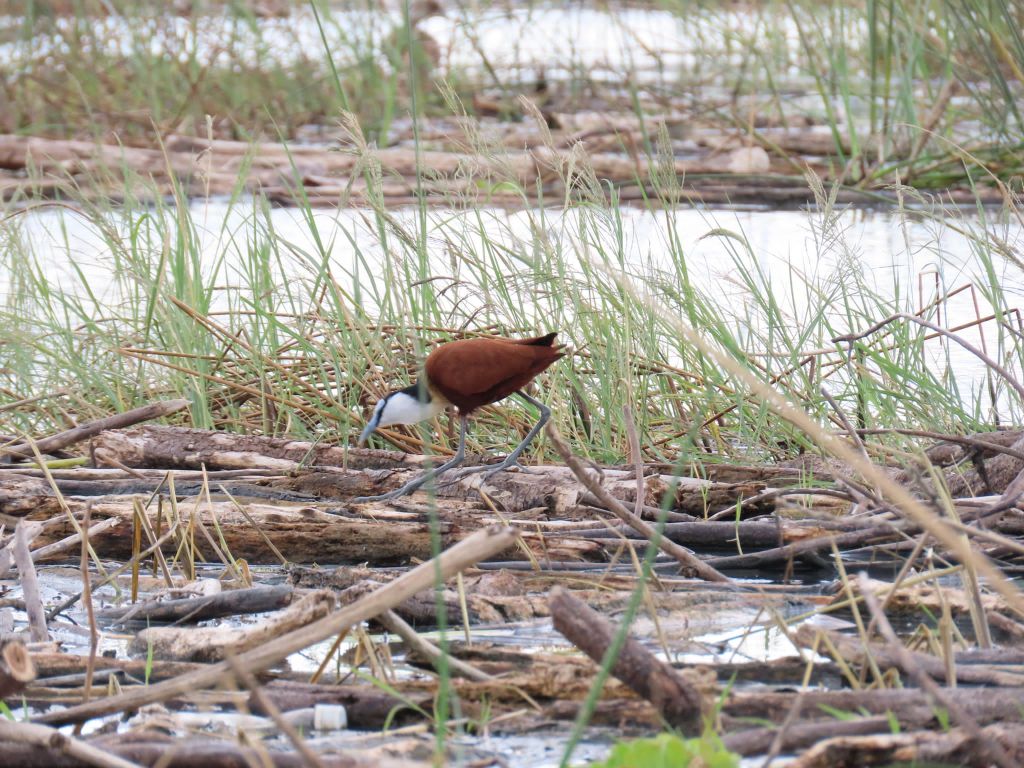
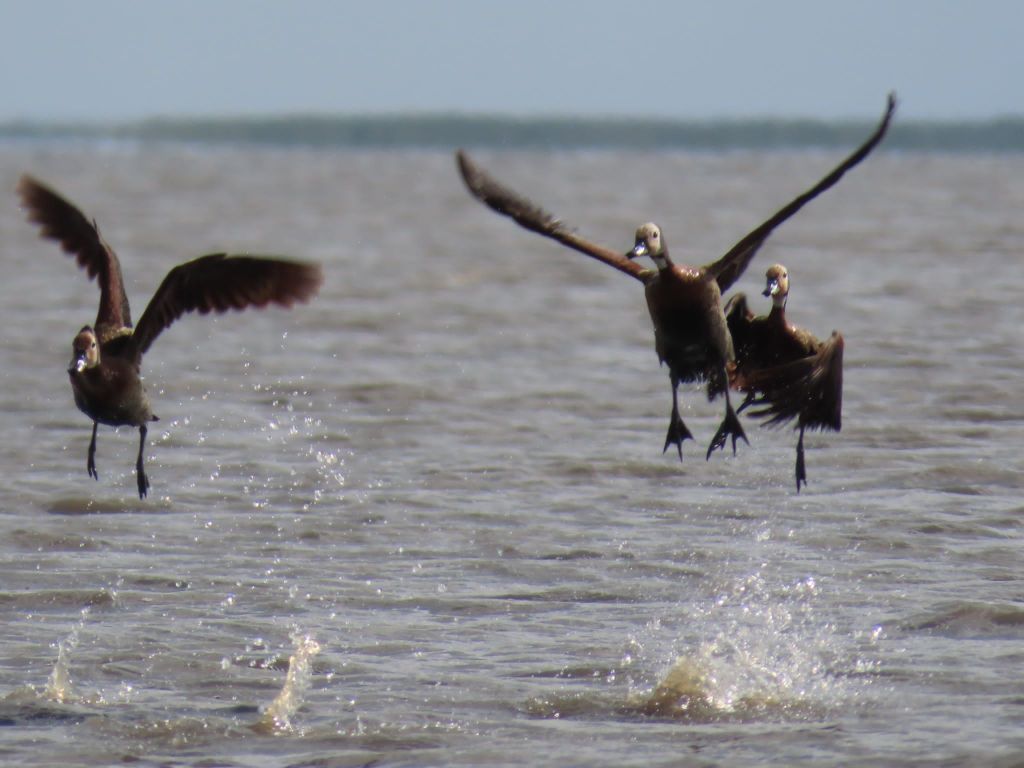
One of beautiful birds of Lake Chilwa in Malawi. Photo credit:Wilbert Van Vliet

By George Z Goliati


A Quick Preamble

This is the first of a series of articles that are tempting to give an analysis of how Malawi is misusing and destroying its treasure, the biodiversity, which can be regarded as its “precious” nature accessible to everyone for equal economic growth, as a background of the Chikhalidwe eco-centers platform on the interComm.

The analysis examines how the landlocked nation’s government seems to be light years away from figuring out how to conserve and leverage on its biodiversity and adapt to climate change in the face of sharply increasing population growth, expansion of farming and settlement land and wood energy demand.

Noticeably, Malawi’s weak agricultural and energy development undermine its forestry sector. Weak forestry sector undermines agricultural output and tourism industry, the country’s most potential and sustainable economic power-houses, and therefore all development efforts – and the cycle repeats.

Malawi’s Precious Stones Nature That Need No Mining: Exploring the Value of Malawi’s Biodiversity

According to UNEP-WCMC, Malawi ranks 25th on countries with most rich biodiversity by land area. World Bank reports indicate that 17% of country’s 11.8 million hectares is forest area (which covered 45% in 1975 and 27% in early 2000s) while 21% is covered with water of which 90% of this makes the 8th largest fresh water lake in the world. FAO, further reports that 56% of its 9.4ha land mass is cultivable.

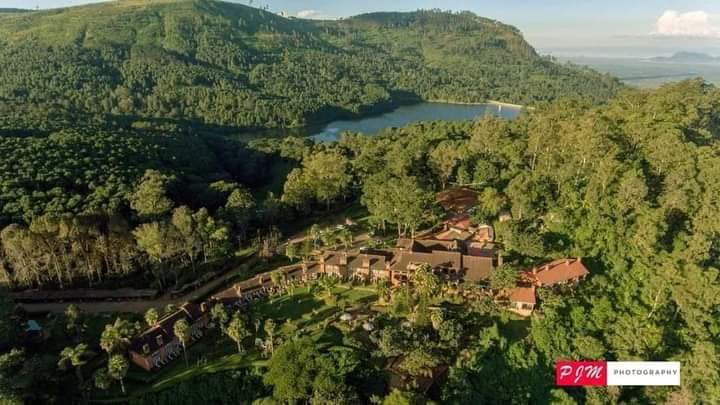
Zomba Mountain forest, Mulunguzi dam and Ku Chawe Inn – another great tourist destination. Photo credit: Unidentified

The Convention on Biodiversity International (CBI) cites more about Malawi as follows; The greatest diversity of plants and animals exists in the country’s 97 protected areas (90% of which are forest reserves). Malawi has a total of over 6,000 flowering plant species, of which 122 are endemic, and 248 species are threatened with extinction. Plants include 400 species of stunning orchids and over 219 species of ferns (National Herbarium and Botanic Gardens). There are about 192 mammal species in Malawi, of which 8 are listed as threatened under IUCN (2013). About 83 species of amphibians have been recorded in Malawi, of which 6 species are endemic and 12 threatened. The country has 145 species of reptiles, of which 12 are endemic and six rare. There are 630 known bird species, of which 4 are endemic and 7 threatened. The total number of fish species found in Malawi is estimated to be in excess of 1000 species. Over 800 fish species have been described in Lake Malawi, 95% being haplochromine cichlids, and 99% of which are endemic to the Lake.

Nyika plateau; the place where tranquility was invented! – Photo Credit: Unidentified

Agro-biodiversity was estimated to contribute about 40% to the GDP and more than 90% of employment and merchandise export earnings in 2010. The fisheries, forestry and wildlife sectors contributed 12.8% towards the GDP in the same year. Malawi’s biodiversity could be its unexploited treasure through tourism and can be regarded as “precious” nature accessible to everyone.

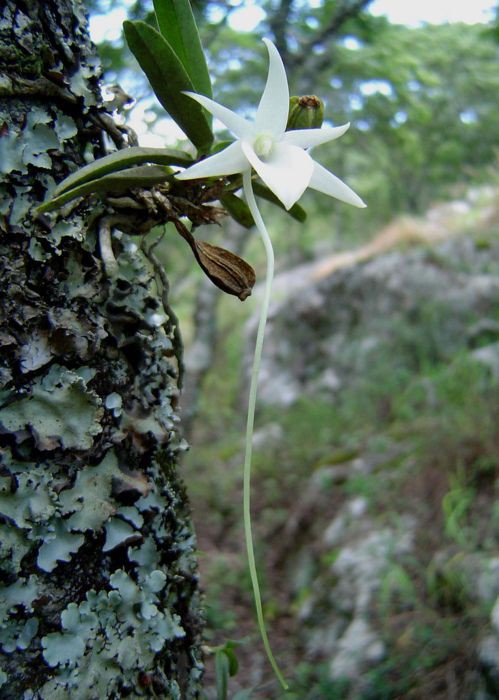
Angreacum stellar-Africae, a beautiful rare orchid is found within Ntchisi rain forest only. – Photo Credit: Unidentified (Pinterest)

Malawi’s biodiversity anchors the tourism sector (World Bank, 2010), which is ranked a third foreign exchange earner after tobacco and tea by the government (MRA, 2022). In 2019, real contribution of travel and tourism to GDP for Malawi was 0.6 billion US dollars increased from 0.2 billion US dollars in 2000 to 0.6 billion US dollars in 2019 growing at an average annual rate of 6.31% (Knoema, 2022). In the same year, 2019, the total contribution of the travel and tourism sector to the country’s GDP was 6.7% (from 2.7% in 2010), and the sector provided close to 516,200 jobs (WTTC, 2021). Major tourist attractions in the country include water bodies, national parks, wildlife reserves, mountains and cultural heritage sites that provide site-seeing, photographic safaris and mountain hiking opportunities.

Lake Malawi National Park is of global importance for biodiversity conservation due to its fish diversity in particular (CBI, 2022). It is estimated that more than 250,000 people along the major fishing areas depend on fish as a source of food (the fisheries sector provides 60-70% of total animal protein in Malawi) and livelihood. In addition, Malawi has over 131 plant species which are used as medicinal plants (e.g. Kombe (Strophathus kombe) used locally for healing stomach ulcers and sexually transmitted infections). Biodiversity satisfies a number of socio-cultural functions in Malawi as well. Most Malawian ethnic groups believe in the existence of a supernatural being or ancestral spirits associated with graveyards or mountain areas covered by forest biodiversity.

However, over-exploitation of forests and wildlife is escalating as the growing population tries to survive and cope up with poverty by expanding farming and settlement land and cutting trees for charcoal or timber business. The aftermath is immense deforestation and degradation of biodiversity, water, land and other natural resources, recycling the poverty, as readily available economic resources and ecosystems services become more scarce. For example, the Liwonde Forest Reserve covers a designated area of 284 hectares however forest cover had been reduced to 70 hectares of the reserve in 2013. As for aquatic ecosystems, the 2013-2018 drying up of Lake Chilwa due to the degradation of catchment areas and climate change threatened the survival of both bird and fish species, where estimated 1.2 million birds were hunted down in place of no fish that pushed nearly 60,000 fishing families into more poverty.

Rethinking Smallholder Agricultural Development in Malawi: Could Digital Inclusion Aid Ending the Recycling Rural Farmers Hunger, Poverty and Climate Change, How? – Overview


By George Z Goliati

Could modern digital technologies be applied in smallholder farming for its transformation? – Picture Source: Pinterest (unidentified author)

Just like in many Sub-Saharan African countries, the most poor and hunger-striken population in Malawi relies on smallholder farming which is exerting more pressure on forests and other natural resources and reinforcing climate change, eventually recycling hunger and poverty. According to World Bank 2015 to 2019 reports, 80% of Malawi’s nearly 19 million people experience hunger and more than half live below poverty line.

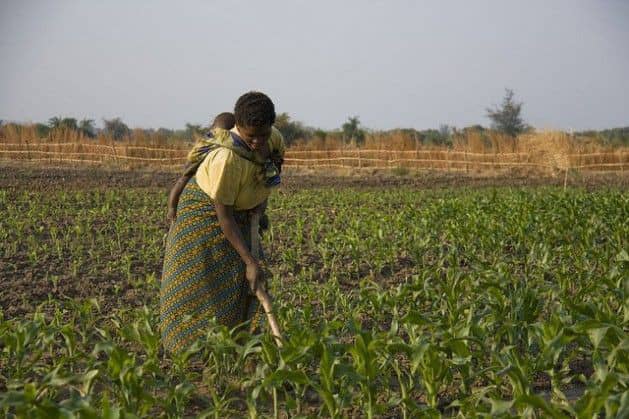
Smallholder agricultural labour force is dominated by poor women using outdated technologies – Picture Source: Pinterest (unidentified author)

Despite several government and donor interventions including revision of National Agriculture Policy in 2016, majority of marginalized farmers are still facing low productivity, produce market failures and subsequent recycled hunger. For instance, most of the communal irrigation, storage, processing, marketing structures, grants as well as technologies that some farmers have been supported with for increased production levels and value addition for commercial levels, remain under- or unused.

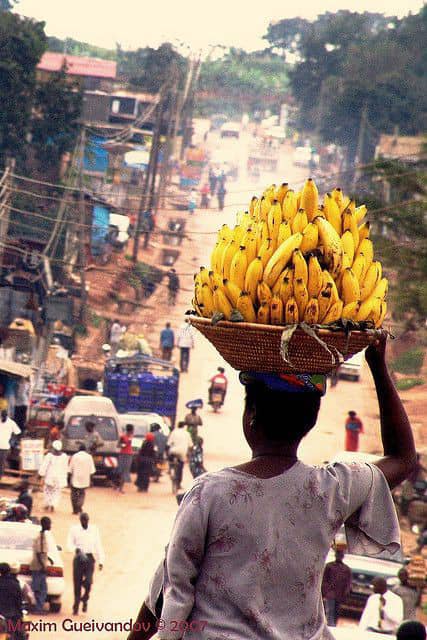
Farmers hardly access local and international high value markets – Picture Source: Pinterest (Maxim Gueivandov, 2007)


The 2022 IPC Report indicates that food insecurity is driven by abject poverty, recurrent shocks, poor policies and implementation as well as reliance on weak livelihood strategies. The 2021 IRLADP and ADPSP performance assessment report highlights that yields of major staple foods are low because of the limited adoption of modern inputs, dependence on rain-fed agriculture, declining soil fertility, and inadequate agricultural extension and research. It also recognizes that market opportunities are limited, and farmers are poorly connected to existing markets with a more dependency on subsistence, maize-focused production systems.

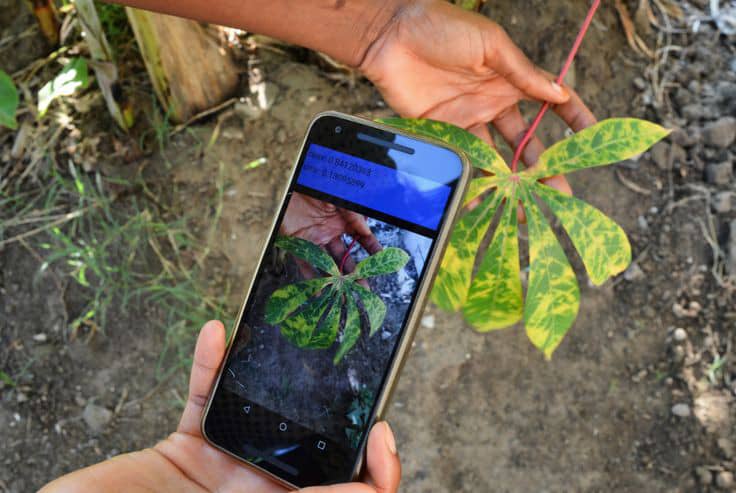
Picture Source: Pinterest (unidentified author), Kepios Malawi Digital Report 2022

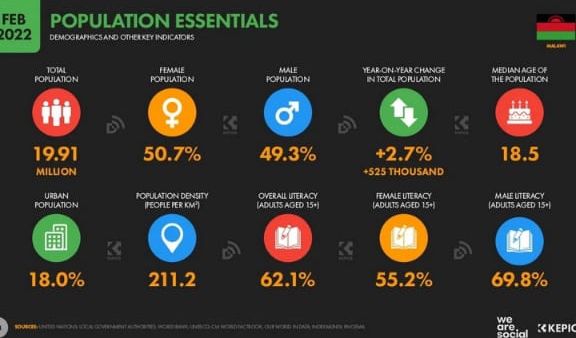
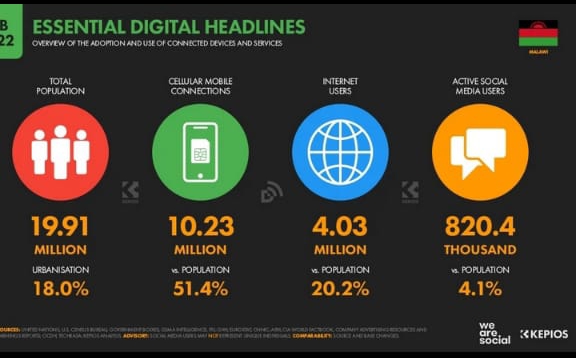
These aforementioned issues often converge to the huge extension worker to farmers ratio at 1:3000 and broken rural farmers linkage with urban markets. The government’s and donor efforts to overcome these challenges with ICT or digital technologies are constrained with current mobile phone connections at 51.4% (but increasing), internet use at 20.2% and literacy level at 62.1% (55.2% for females).

EXPLORE LAKE CHILWA WITH ZOMBA TOUR GUIDES ASSOCIATION


By Jonas Beyard, Zomba Tour Guides Association


Southern Pochard ducks – Photo credit: Wilbert Van Vliet (Lake Chilwa, 2022)

On 27 June 2022, as a member and founder of Zomba Tour Guides Association, I (Jonas Beyard) accompanied a tourist from Netherlands, to Lake Chilwa in the east of Zomba district for bird watching with a more interest in bird species biodiversity exploration. To the surprise of both of us, we saw a lot of bird species than we expected since reports indicate that nearly 1.2 million out of 1.5 million birds were hunted down in place of fish when the lake dried up between 2013 and 2018.

How stunning and exciting is bird life at Lake Chilwa?

Our bird species sightings included some of most beautiful and gorgeous birds on earth of which some are threatened and some travel for more than 7000km to Siberia every year. The most beautiful bird scenery was observed at Kachulu port. We saw;


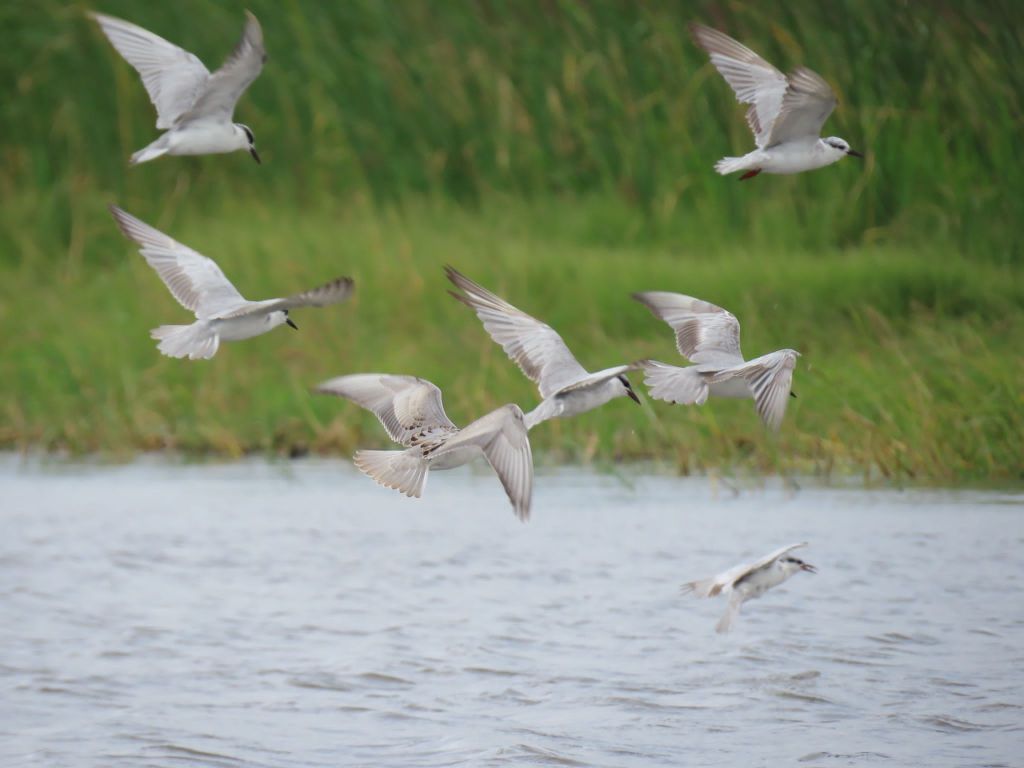
1. Whiskered Terns – the migratory and nomadic bird that travels to the global north.

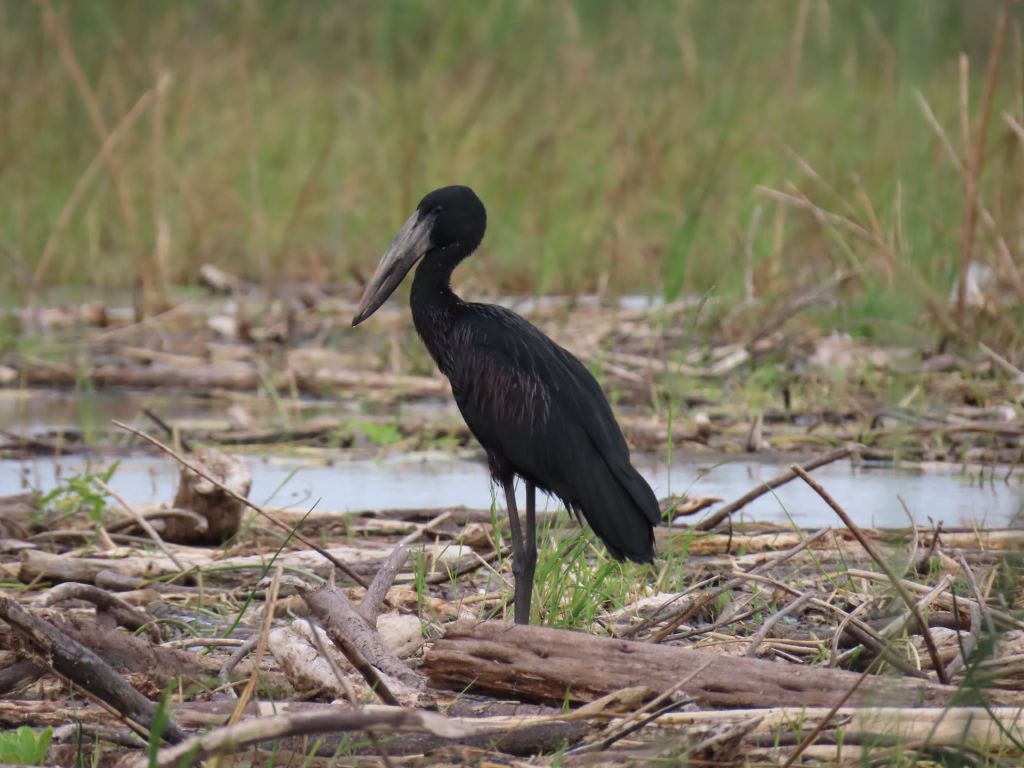
2. African Openbill – often found in marshes, swamps, margins of lakes and rivers, rice fields.

3. Southern Pochard – a sociable and gregarious duck. It has been seen in groups of up to 5,000 in some parts of the world.


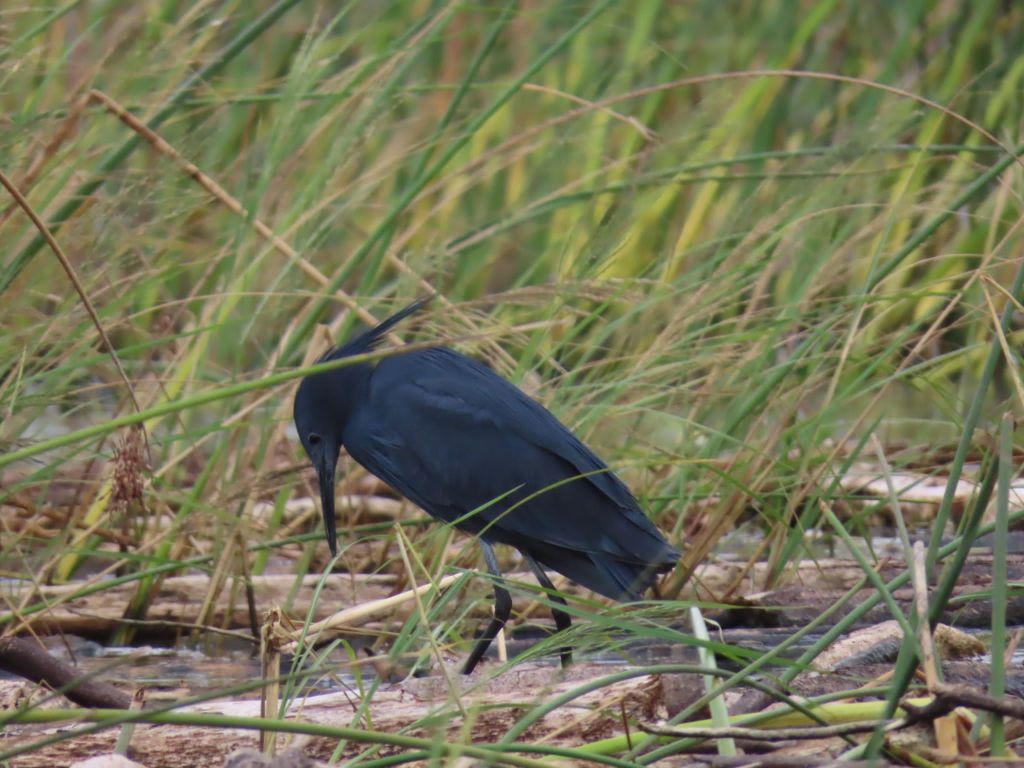
4. Black Heron – also known as the black egret, the African heron. It is well known for its habit of using its wings to form a canopy when fishing.

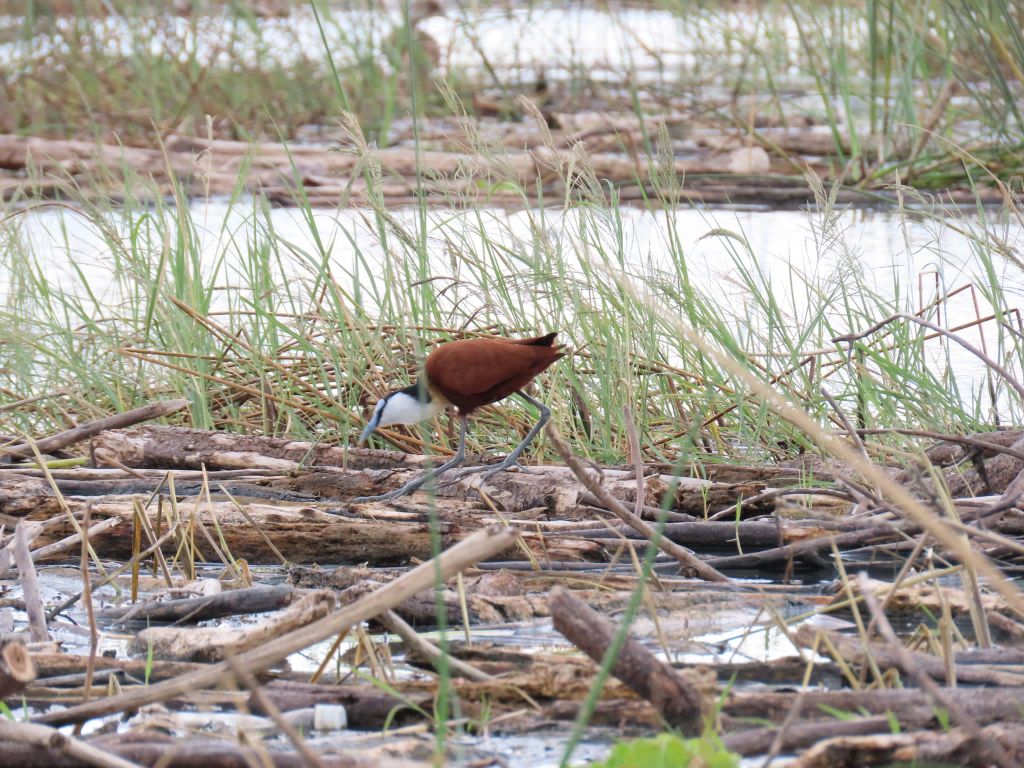
5. African Jacana – also known as a “lily walker” as they are able to walk across the water using the water lily as support.

6. White-Faced Whistling ducks – the species is gregarious, and at favoured sites, the flocks of a thousand or more birds arriving at dawn are an impressive sight.


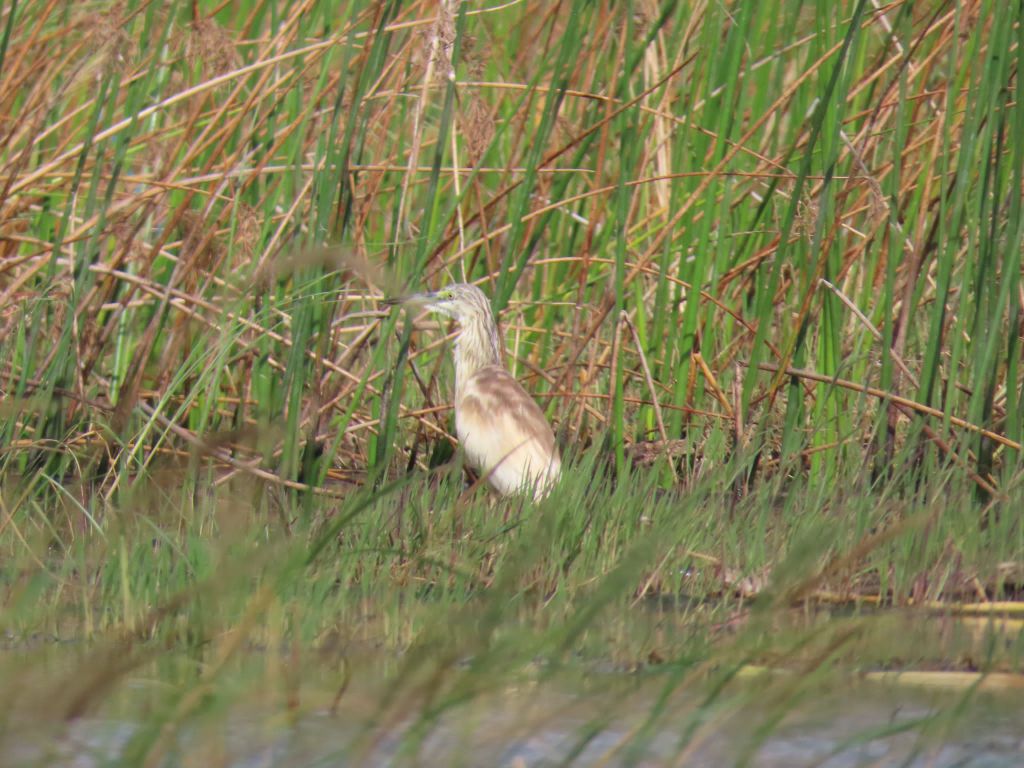
7. Squacco Heron – typically a lone feeder, standing, crouched low and still, waiting for its prey.

8. Cattle Egret – which have a symbiotic relationship with the animals they often accompany. The birds that stand on the backs of bovines pick off parasitic bugs like ticks, fleas and flies while egrets on the ground try to catch grasshoppers or other insects disturbed by the movement of the cattle.

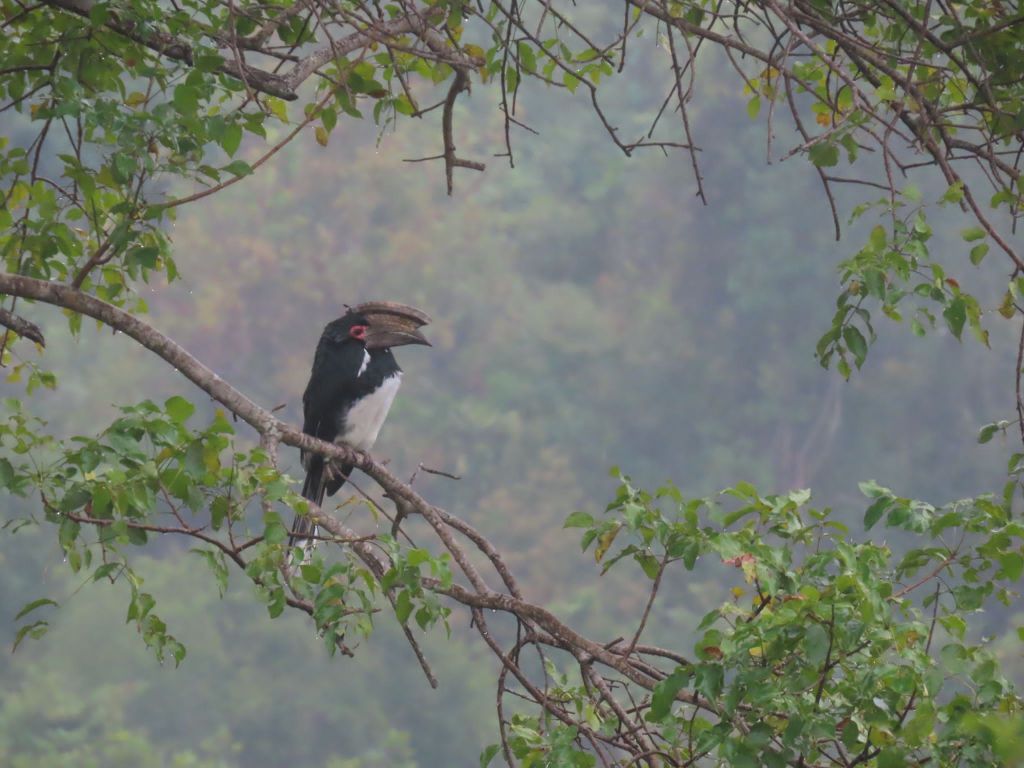
9. Trumpeter Hornbill – Though trumpeter hornbills are classified as Least Concern on the IUCN Red List, their population numbers are declining. Many hornbill species are hunted for their casque, which is sometimes used to make jewelry and carvings. The helmet-like casque on top of a trumpeter hornbill’s bill is thought to aid in sound production. This bird’s strong neck, complete with fused vertebrae, help stabilize its head against the weight of the casque.

10. Great Egret – which is the symbol of the National Audubon Society and represents a conservation success story.

How did we get there and interacted with the local community?

It took us an hour to travel from Zomba city center to Kachulu dock on the lake. We hired a canoe including its friendly navigator, Lovemore, who took us to Kachulu port, the site with most bird population and to Chisi island at a total cost of UD$12 (MK12,000).

Here’s more about Lake Chilwa!

Lake Chilwa (15°15’S 035°45’E) is the second-largest lake in Malawi after Lake Malawi. It is in eastern Zomba District, near the border with Mozambique. Approximately 60 km long and 40 km wide and covering 224,800ha, the lake is surrounded by extensive wetlands.

According to Ramsar, lake Chilwa is shallow and saline, subject to seasonal variations in water level greatly influenced by lack of outlet seasonal rains and summer evaporation. It is urrounded by dense swamps, neutral to acid marshes and seasonally inundated grassland floodplains. The lake consists of numerous islands, two of which are permanently inhabited, including a relatively popular Chisi island.


The people around the Lake: How do they survive, make money and use Lake Chilwa?

Apart from human settlements, activities include fishing, agriculture (rice and dimba cultivation), and livestock grazing. The fishery annually contributes 25-30% of the total fish production in Malawi. Lake Chilwa is shared with Mozambique. About 335 villages with over 60,000 inhabitants engage in fishing the lake, and pull out over 17,000 metric tons each year. According to WESM, the output can go up to 24,000 metric tons and can be worthy of nearly US$17 million a year.

Conservation issues and our initiatives at Lake Chilwa

In 2013, the lake dried up. To survive and cope up with extreme income gaps, the fishing community resorted to bird hunting which saw 1.2 million birds wiped out. The hunting even gradually extended to tabooed birds that were spared in the early stages of the fish disappearance. By 2018, the birds disappeared too on the western side of the lake that led to rampant cutting down of Magnificent wood trees on Chisi Island.


The dryness of the lake was largely attributed to deforestation on the Zomba mountain, where Domasi and Likangala rivers that feed into the lake spring from. Zomba mountain forests, where we do most of our conservation activities, are under a constant pressure from illegal charcoal and timber producers.


In response, Zomba Tour Guides Association and Nankhunda Transformation with support from Zomba Forest Lodge and Zomba TREEZ, started reforestation of the Likangala river banks starting from its tributaries.