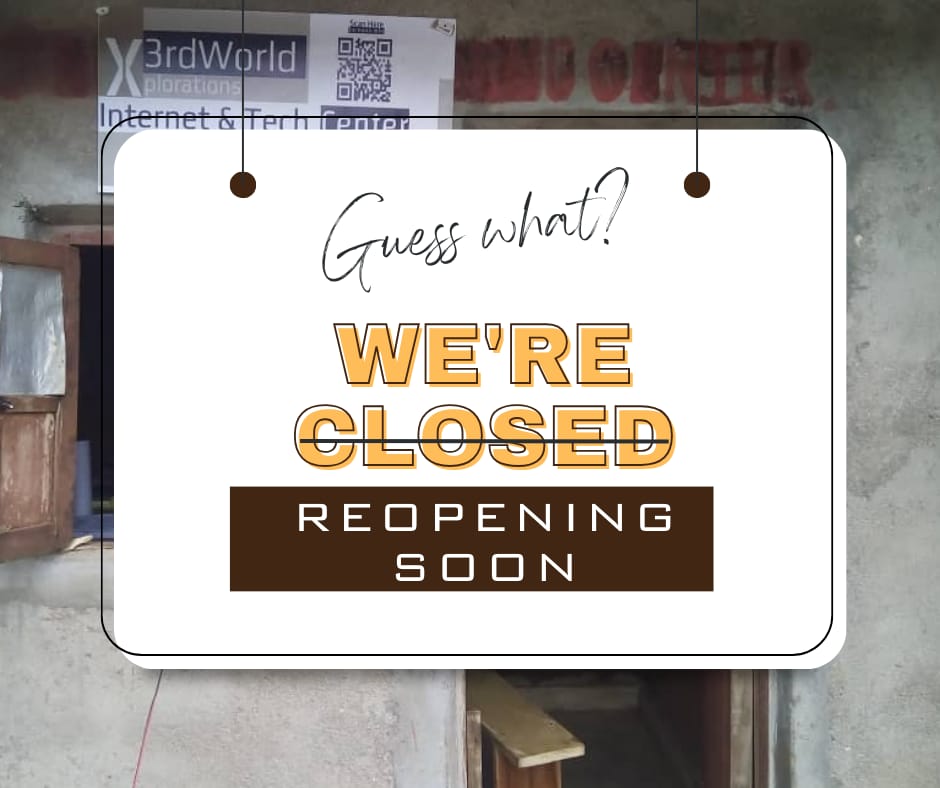
It has been 6 months since the local “internet and tech centers” of the rural cyberspace and analytics platform were shut down soon after opening for testing in January 2023. It has been one year and a half since the testing of this platform started, in April 2022. In fact, the search for an effective online platform for helping those in need to make use of the internet and other digital technologies started in February 2020.
The rural cyberspace and analytics platform was conceptualized with an aim to condense internet content and digital tools relevant to rural communities, create awareness and support the use through local internet centers, and simultaneously generate data on the usage, outcomes and impact including the associated social-economic and environmental indicators to help stakeholders design cost-effective permanent solutions.
Locally, the platform was designed to be used by CBOs and local social entrepreneurs who would collect the data essentially to enhance their own technical capacity and visibility to the supporting stakeholders. It was also planned to monetize the data collection services in the future, once successful, to allow the CBOs and entrepreneurs to earn from their social services.
In a traditional approach, the concept of a rural cyberspace and analytics platform has many challenges ranging from cost, to data privacy and legal or regulatory complications.
Most importantly, its use design fails to satisfy the preferences of the supposed local hosts, the target rural end-users (subsistence farming households) and development stakeholders, who were thought would need the data.
For these reasons, it was concluded that only those exceptionally interested in the platform’s mission might find its outputs valuable and share their views for use as data. Much data is to be acquired from open-sourced intelligence and ethnography (locally), and focusing on non-sensitive publicly available information and non-proprietary technologies – drastically reducing the hectic costs, and data privacy and regulatory complications.
Updates are to be made available mainly on LinkedIn and Facebook pages, and WhatsApp channel, and shall clarify and strongly emphasize on who might find the content valuable. No one is to be invited, approached, encouraged or called to action through any means, such to follow or share their views on the platform’s content, to ensure no one is disappointed and confused with the visibly relevant content but that turns out to be worthless.
 COMP@SS