September 2023 marks another most important transition in the development of COMP@SS platform and 3rdWorld Xplorations as a social-impact business. Experience has brought more understanding and clear mapping of the mission, bringing more hope and confidence than before. As the return to the field nears, so many changes have been made.
“Why are many smallholder farmers not adopting digital solutions? Is there any impact on those few who have adopted?”
By George Zagwazatha Goliati (COMP@SS designer)
This is a topic we debated as e-agriculture stakeholders in August of 2023, through WhatsApp. Basically, it started with a question: why do e-agri-services providers seem not to be reducing the extensionist-farmers ratio? Coincidentally, I was examining the compatibility of user experience designs (UXDs) of digital solutions with the targeted rural farmers’ preferences, or psychographics. User experience (UX) design entails how much a product or service is valuable (meaningful) and relevant to users, and is easy and enjoyable to use.
After completing my exercise, I noticed that the experiences and ideas exchanged by the participants shared close similarities with my findings. However, the debate did not draw to the same conclusion as that I came up with. For this reason, I decided to run a simple content analysis of the debate based on Roger’s DOI theory and Van Dijk’s conceptual Framework on Digital Divide – Access to ICT, in order to objectively prove the similarities.
In addition, I intended to provide a constructive explanation of and highlight my view on the “incompatibility of UXDs of innovations with farmer preferences”, so that it can be clearly understood and related to the designing of the COMP@SS and other services, in the efforts to support development stakeholders create change or cost-effective permanent solutions, their donors seek.
6 themes were identified from different farmers’ behavior that have been observed by the participants. These themes were also identified from the assessment of the digital tools against the established adoption theories or models.
According to the analysis, the stakeholders’ views implied the same shortfalls of UXDs of digital innovations and that of the traditional evaluation approaches for measuring the impact. However, they did not openly, assertively or conclusively point out or identify the shortfalls of UXDs as the main reason why many farmers are not adopting digital solutions.
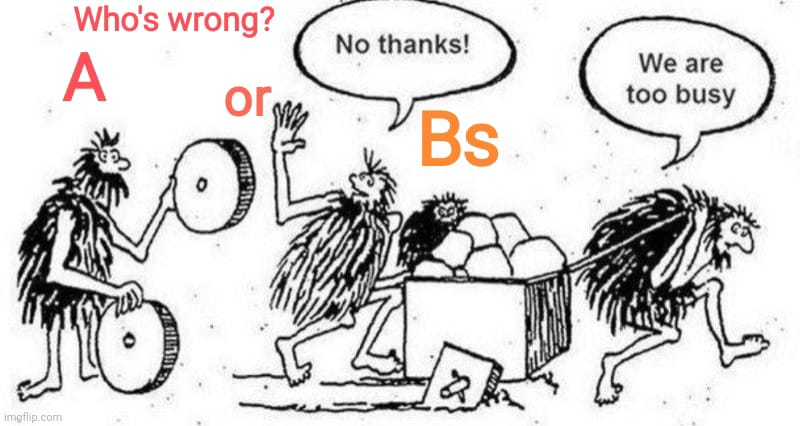
When one of the debate participants stated that “mindset change is required at all levels”, this observation proved that rural communities and development stakeholders are facing the same problem. In Malawi and possibly many poor countries, we all have the same fears. We are all very reluctant to talk about, accept and address the issue of shortfalls in user experience designs (UXDs) of innovations. Consequently, this topic is a sensitive and unlikable one.
By looking at its role in the success of the commercial sector, paying attention to user experience designing errors holds the key to the success of development services, since it could guide iterative designing of the innovations. With several development projects implemented in Malawi, our stagnant economic growth most likely roots from our deflection over ineffective UXDs of solutions to poverty. Therefore, digital solutions must be facing the same challenge.
 COMP@SS