Major Lessons and Changes in May: The Reorganization of The Platform and Expeditions
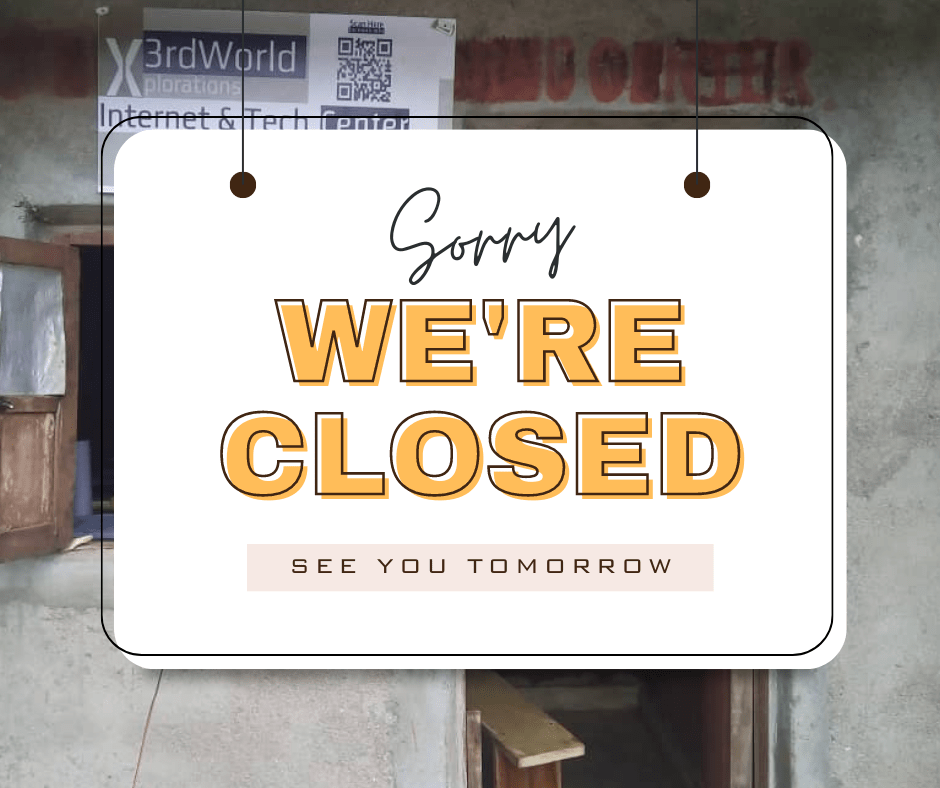
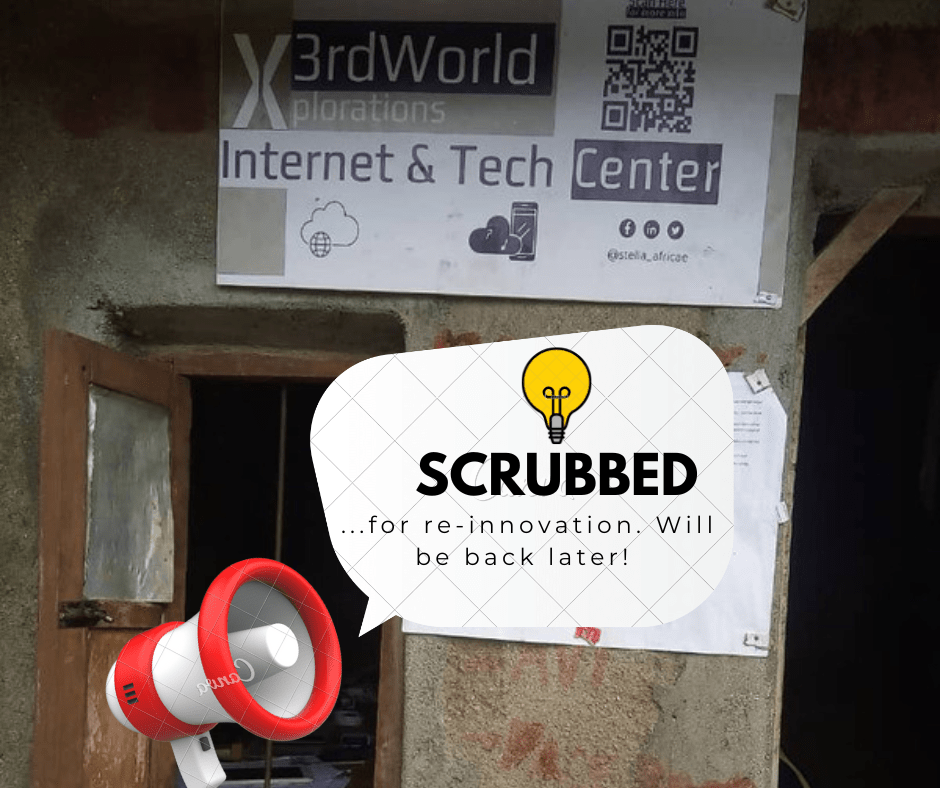
After proving that a simple “internet” notice is less likely to attract and make the rural recognize the relevance of its content to their real life problems by April 2023, it was time to start applying indepth and extensive awareness strategies. However, the performance of the local agents indicated that they, or any, would not be able to handle these “complex” expensive awareness strategies. This triggered a suspension and a reorganization of the platform’s field operations and the Cyber 3rdWorld Expeditions surveys in May 2023.
To enhance the awareness of the internet content in the rural communities, the online front-end interface was revised. Apart from using illustrative posters, street-videos and events, it was discovered that integrating the accompanying local center businesses on the online user-interface would give the rural masses maximum insightful exposure to the available digital contents.
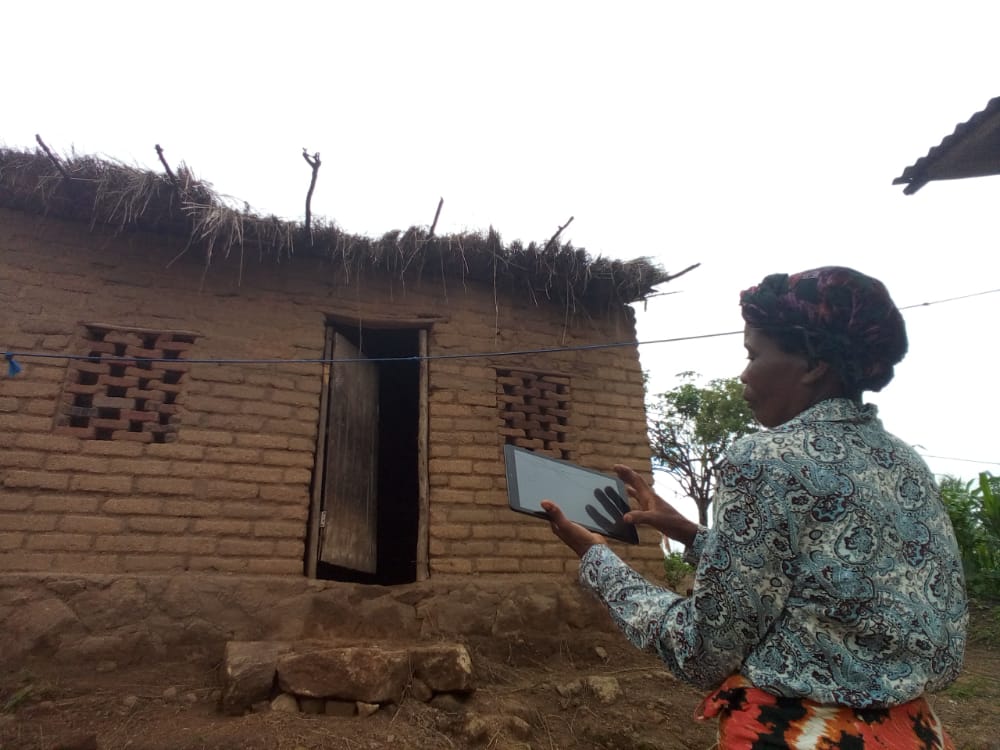
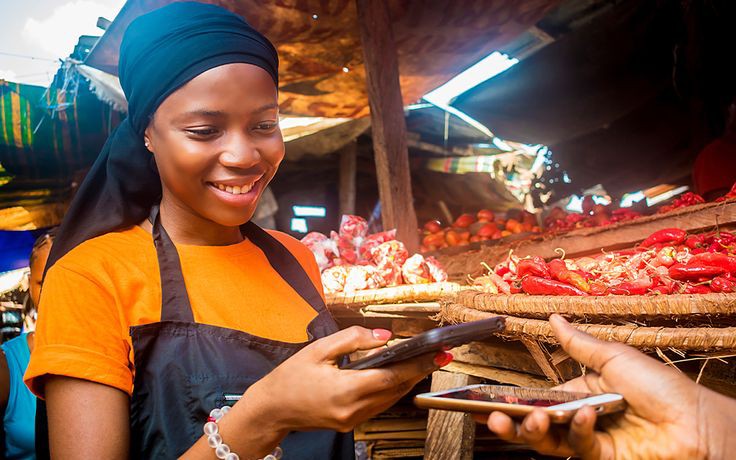
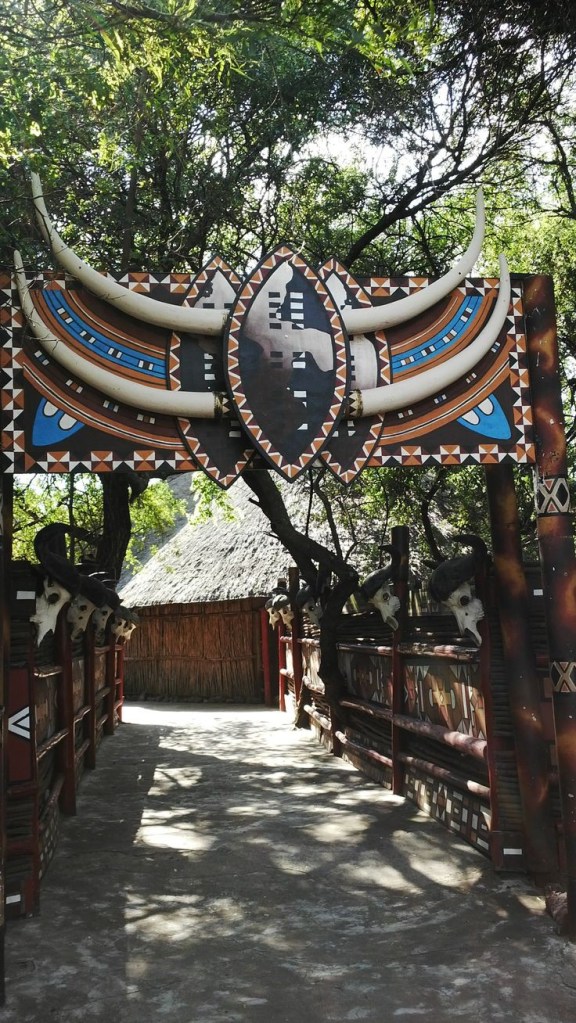
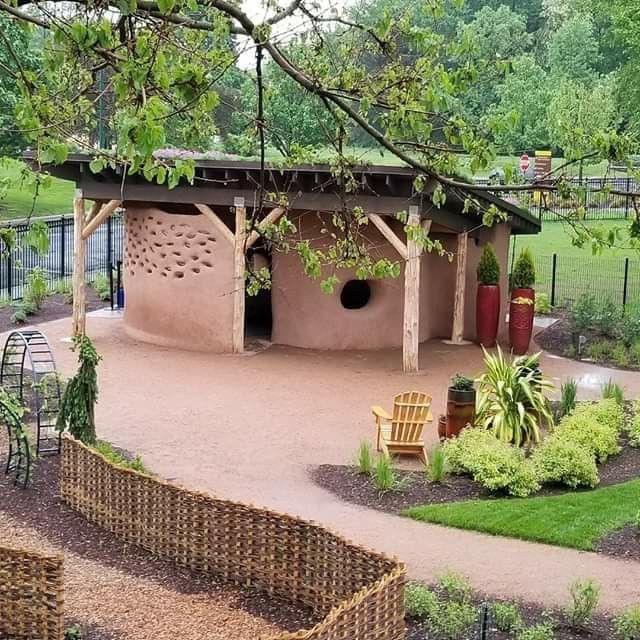
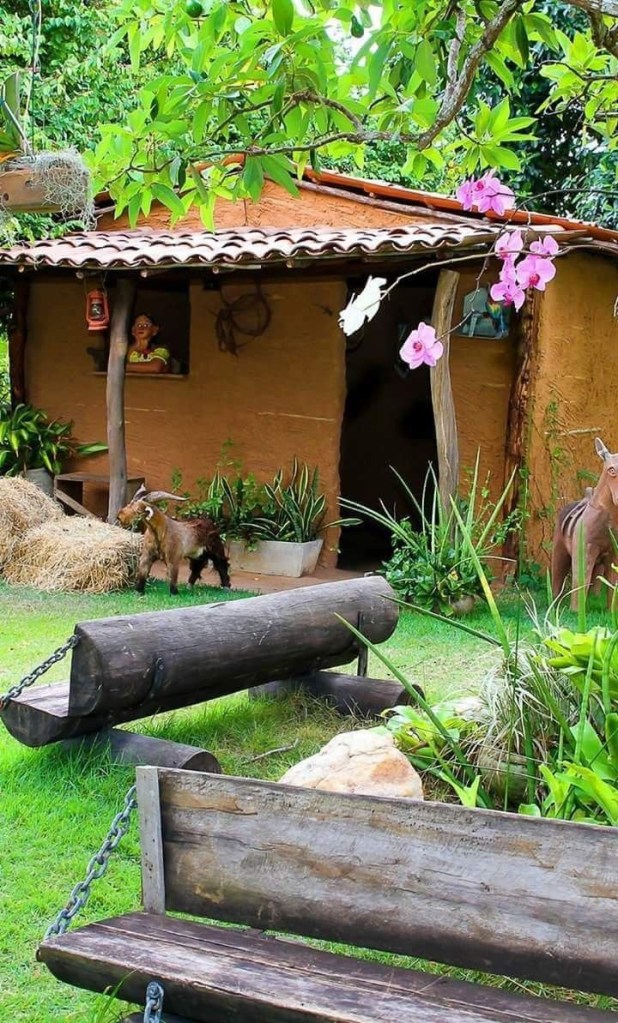
Defined as “rural e-trading services”, the rural would have a chance to buy a match box at an urban price or sell 2kgs of beans with a few clicks on the sales tab where the relevant internet contents can be briefly visualized. The community members would also have an opportunity to digitally market ethnobotanical collections, eco-innovations and cultural/heritage arts at local cultural centers and botanical gardens, aka eco-learning and creativity centers (eco-centers) and have access to nature e-monitoring tools through the “rural digital eco-tourism services”.
Rebranding of the Rural Cyberspace Platform
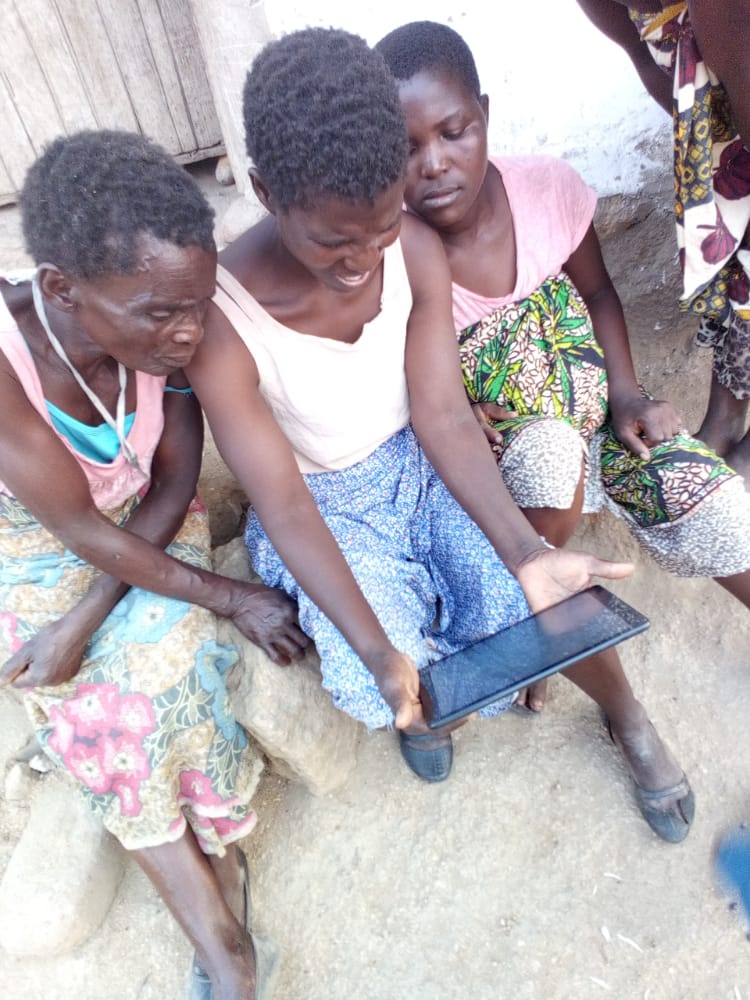
Basically, the platform aim is to enable rural masses be aware of, access and use the relevant internet content and digital tools they practically need, and track the usage/adoption, the outcomes and associated social-economic and environmental sustainability indicators.

Inherently, the process would qualitatively measure the users/villages’ interest, capacity and willingness to adopt specific solutions, and learn their models of change to help donors and stakeholders design cost-effective permanent solutions. Eventually, the platform would get every necessary information and data for community development and marketing organized into one place and easily accessible to everyone.
In this view, the platform is expected to help rural masses navigate to the rightful solutions or opportunities on the “sea” of internet and technology and simultaneously help donors and development services providers navigate to those most in need on the “sea” of “beneficiaries”.
This illustration inspired the change of the name of the platform from Village Internet to COMP@SS analytix or COMP@SS in short, to reflect its kind of navigation feature.
The simple “internet” notice primarily used was done as part of testing how the rural would respond or react to the word “internet” without “non-profit” features, and most importantly, to ensure maximum accuracy of visitors reactions, to enhance the navigation capacity.
Cyber 3rdWorld Expeditions Reorganized
Reflecting on the navigation feature, it was realised that this is the same objective of the Cyber 3rdWorld Expeditions surveys that were supposed to be conducted this year (2023) before developing the version 2 of the platform, and as a sort of baseline survey.
With no visitors recorded at both demo centers (Domwe and Mayera), it may be deduced that the villages are less likely to adopt the use of digital technologies by the particular time. However, this conclusion may be misleading since the community was not provided with full awareness as needed and designed.
Furthermore, it would also require to compare or examine how the communities responded to any previous digital-based interventions. For instance, Domwe has seen two digital developments in the agricultural and education sectors, both never went far. Understanding how they exactly responded would help to draw a more accurate conclusion.
This was basically the role of Cyber 3rdWorld Expeditions surveys, but from a different angle. These surveys were supposed to identify almost all digital interventions that have been introduced in Malawi and assess how the target communities responded and draw a common conclusion.
After a careful review of the platform’s navigation feature and the expeditions surveys, it was seen necessary to integrate the survey with the platform and take a specific-community approach.
The Overall Reorganization of the Rural Cyberspace Platform and Expeditions
In the new arrangement, it will take at least 5 months to fully create indepth and extensive awareness of relevant internet contents and digital tools, allow access to internet and conduct at least two household surveys to monitor practical adoption and outcomes.
This period would allow “anthropological” approach to understand how the community has been responding to past and present interventions and what have been their own initiatives, in order to help stakeholders draw a more accurate conclusion about its interests, capacity and willingness to adopt digital technologies and specific solutions or products.
This initial phase will be referred to as the “expedition”, and together they will remain under the brand “Cyber 3rdWorld Expeditions”. These expeditions are expected to achieve the same objective; to explore the possibilities and prospects of using digital and other technologies [by government and its partners] to accelerate rural development and eco-sustainability in Malawi.
2 or 3 communities within the same region, defined by local trading center or conservation site may be engaged at a time. During this period, local youths may be invited to attend lessons for digital literacy and applications as well as rural development and nature conservation M&E. The dedicated ones may be engaged in apprenticeship (mentoring) for local agents role.
Discontinuity of Local Internet/Sales Agents
In the first quarter of 2023, a new important lesson was learnt from the field operations. It was thought that it is the experienced volunteers who think that any social impact mission is a donor-funded project, and donor funds are everyone’s cake that anyone has a right of a share by pretending to volunteer in the mission. No, it’s almost anyone.
The “inexperienced” local agents that were engaged with the hope of bringing new perception were lately also found to be “pretending”, with a hidden agenda, totally diverting away from the mission. In fact they were at the bottom ladder of adopters that most likely, they could be a source of discouragement to any prospective internet users, even lead adopters.
It has been learnt that most of the local agents, except two, engaged in the development of the rural cyberspace implicitly strived to have their share of the very little private investment.
Introduction of COMP@SS Sole Explorer, Followers and Local Guides
The events mentioned above incited the decision to make the Cyber 3rdWorld Expeditions and the field implementation of the rural cyberspace platform a one-man mission, as a sole explorer. However, those interested to use the monitoring tools, sell items or visit the internet content and provide feedback, shall be accommodated, and shall be referred to as “COMP@SS followers” or “rural digital champions”. Specifically, users of the monitoring tools shall be referred to as “local guides” and shall be recognized on the promoted posts.
The first expedition will commence in September or October in Zomba and Blantyre districts, targeting the existing trading centers of Nankhunda and Domwe (Mayera-M’dala excluded) for establishing e-trading kiosks. The expedition will include the attempt to establish eco-centers near Zomba forest and Michiru forest, and if possible, near Lake Chilwa and Chikala rain forest.
With all these changes, the raising of the $15,000 has been shifted to 2024, consequently, adding another year of development of the platform. Whilst looking forward to December 2025 for official launching of the platform, the national wide coverage goal timeline remains the same, 2030. The actual website and app will be built in 2025.
The Unfortunate Common Misconception
Almost everyone thinks that our societal change or development is a bait for immediate benefits or means of earning personal income only, and it is in the interest of foreign donors. As noted last year, it shows that everyone is convinced that social impact mission is where people claim to volunteer for community benefit, development or change, with the actual purpose of luring donors to access the funds but only to practically fulfill their personal needs and interests rather than that of said mission.
In exceptional cases, there are some very few individuals who are not driven by self monetary gains, but for the benefit of the community. However, they and their communities strongly take relief aid and other immediate benefits as solutions to poverty. Long-term solutions are in most cases seen as useless ideas or as barriers to immediate benefits.
 COMP@SS