By George Z Goliati
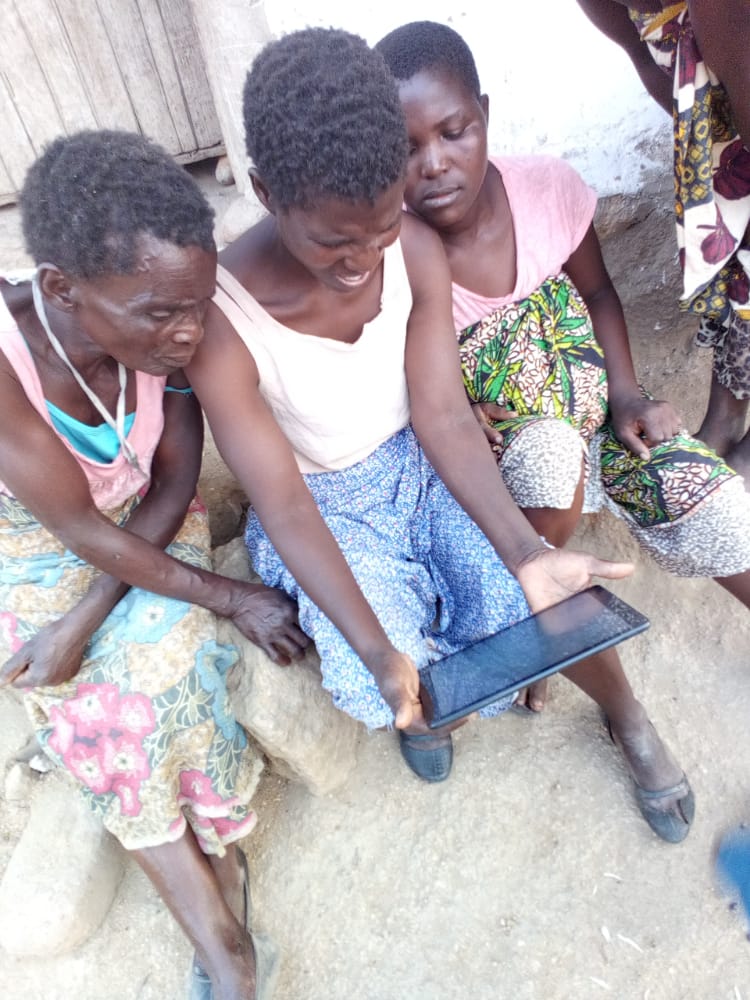
In the first four weeks of serving M’dala village with internet services, only a smaller proportion of women visited the agent’s center. After closing the center for a mobile approach, the agent (Harold Chitowe) went on to evaluate the community’s awareness of the organic fertilizer he was marketing and farmers’ likelihood to buy.
From the household interviews, the agent noticed that men who came over to learn more about the fertilizers were less involved in the farming activities. The women got secondary information from their husbands. This was a typical experience of gender disparity in agriculture which has been widely documented.
The experience provided an excellent early warning of how women, who are the target, could be left out again in this program. An examination into the local driving factors, generally converged to social norms and values, with some sort of stereotypes and gender-based violence and abuse.
Women are regarded as labourers not decision makers, therefore there is a tendency of exempting them from accessing the novel internet or e-farming services by their husbands.
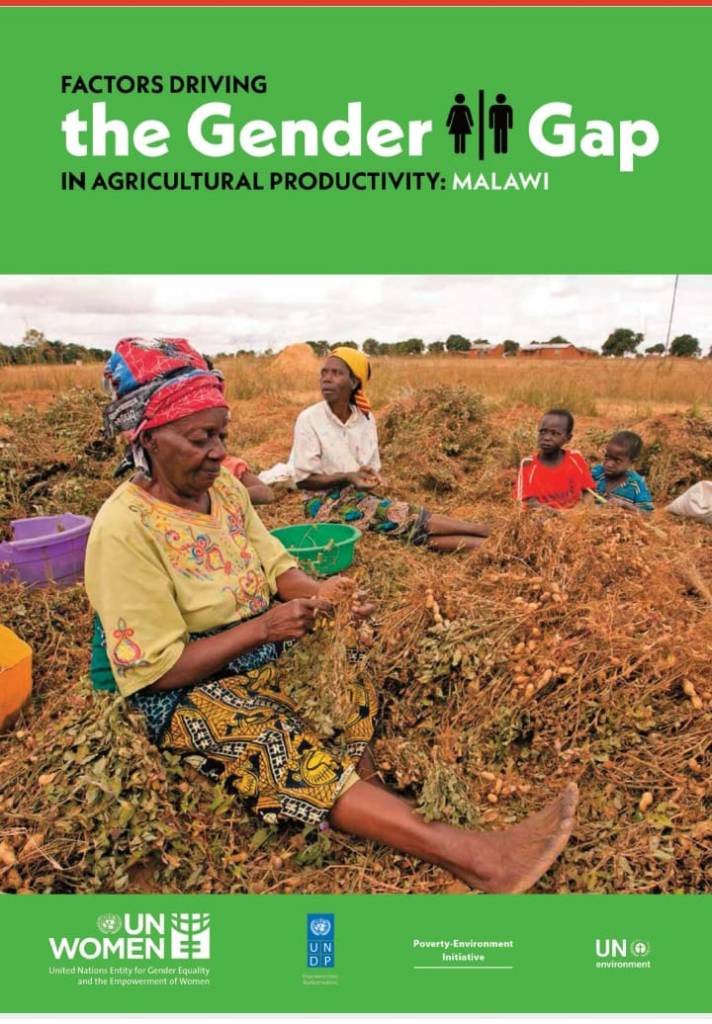
According to a FAO’s 2011 working paper, women comprise an average of 43 percent of the agricultural labour force of developing countries. However, overall the labour burden of rural women exceeds that of men, and includes a higher proportion of unpaid household responsibilities related to preparing food and collecting fuel and water. This and the field experience concur with what was documented in the UN Women’s report, Factors Driving The Gender Gap in Agricultural Productivity in Malawi (2019).
The FAO’s paper further indicates that women’s participation in rural labour markets varies considerably across regions, but invariably women are over represented in unpaid, seasonal and part-time work, and the available evidence suggests that women are often paid less than men, for the same work. The contribution of women to agricultural and food production is significant but it is impossible to verify empirically the share produced by women.
Compared with their male counterparts, female farmers in all regions control less land and livestock, make far less use of improved seed varieties and purchased inputs such as fertilizers, are much less likely to use credit or insurance, have lower education levels and are less likely to have access to extension services (FAO, 2011).
Gender Disparity has been recorded from way back. Andrew J. Sofranko and Frederick C. Fliegel in their study in 1989 found that farmer training and technology utilization had fewer benefits to female operators and smaller farmers.
According to the UNICEF National Traditional Practices Survey (2019) report, 9% of the women interviewed were married before the age of 15 years, while 42% were married before the age of 18 years.
However, women must not be completely seen as victims. The agent also came across two cases where women rose up against their husband’s participation in the testing of the organic fertilizer, that is, thwarting adoption of improved/sustainable technologies. There was no clear reason why these women did that.
In order to overcome gender disparity, the internet and e-agriculture agents will employ a more mobile approach than operating from the center so that the women are reached out on the farms. In addition, women will be offered lower rates when hiring (motorised) farm machinery. They will also be allowed to borrow pesticides if they prove to have no cash.
Reference
2. UN Women’s Factors Driving The Gender Gap in Agricultural Productivity in Malawi (2019).
3. FAO State of Food and Agriculture 2011: Women in Agriculture: Closing the gender gap; page 8
4. Malawi’s agricultural development: a success story?
5. UNICEF National Traditional Practices Survey Report (2019).
 COMP@SS