A Quest To Prove If Digitalization of Eco-Farming and Eco-Tourism Can Save Michiru Forest Biodiversity and Its Economically Desperate Dependent Villages As Imagined
By George Z Goliati
Despite financial limitations and being far from key players’ expectations and desires [and being perceived unrealistic], we are still determined to test the transformation of digital villages.
We just completed the first of 3 steps of Benchmark Setting for the M&E program, the overview social-economic analysis, in a community that we found is economically desperate after heavily deforesting it’s depended forest and has an extremely low agro-development level within the current international agro-economic woes.
In digital villages, donors, NGOs, researchers and entrepreneurs, can easily disseminate or distribute newly developed needed technologies and access more evidence to design cost-effective interventions through the rural community internet, digital and data services locally provided by local organizations or social entrepreneurs under the low-cost rural community data collection (M&E) platforms and cyberspace, we are attempting to develop.
Overview Analysis of Social-Economic Status in a Rural Community Targeted For Digital Transformation
Despite being close to Blantyre city, households in the north east of Michiru mountain forests have limited access to reliable sources of income.
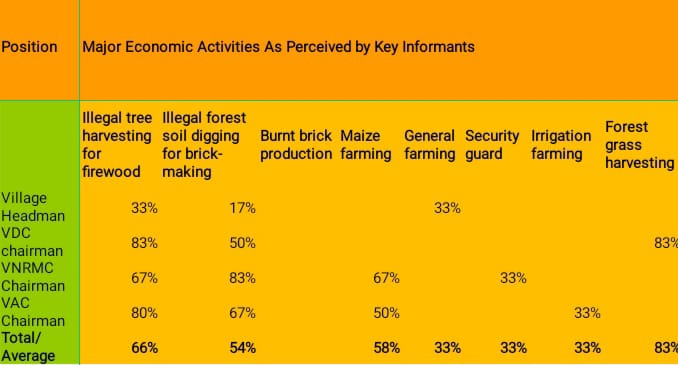
It shows that the community has been depending on rain-fed maize farming and the forest to meet most of their daily income needs and shocks (Table 1).
Some are employed as security guards while some are involved in various small businesses, including piece works or casual labour around the city and within the area – which often do not meet their income needs.
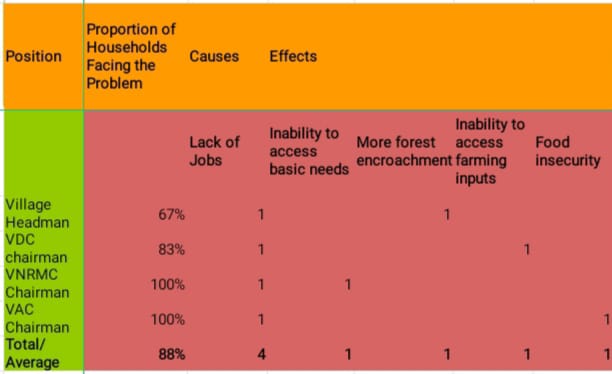
With no alternatives, the community critically depends on the forests, a phenomenon that has resulted to its deforestation, making the economic resources more scarce to the community, consequently recycling its poverty as many households become economically desperate (Table 2). Watch this video.
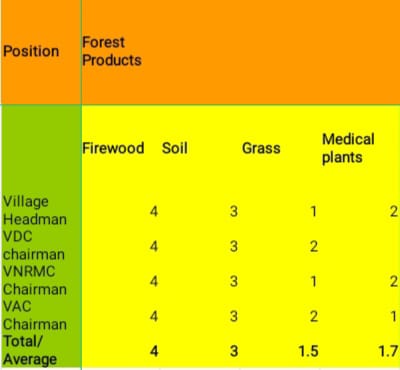
Firewood and soils for brick burning are the two major forest products that keep households survive when all other means of income fail (Table 3).
Incomes from forest exploitation range between K2000 (USD2) and K7000 (USD7) per day per person. However, forest exploitation risks fines as huge as K200,000 (USD200). Watch these videos, Part 1 and Part 2.
Some households used to reside within the forest and benefited on cultivating on virgin soils at the expense of forest cover. They were later moved out by the department of National Parks and Wildlife.
Forest over-exploitation has resulted to decreased availability of forest resources to the community, which has been compounded with increased restrictions to access the remaining forests by the department of National Parks and Wildlife (Table 2).
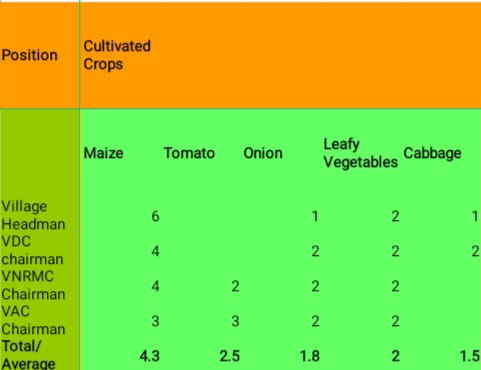
Some households have resorted to irrigated horticultural farming that includes green maize, tomato, onion, cabbage and other leafy vegetables (Table 4).
For these few households who have been trying to venture into winter cropping to supplement rain-fed maize output, the business has been tough as inputs cost are skyrocketing, especially fertilizer, and their plant-healthy management skills and produce markets are limited.
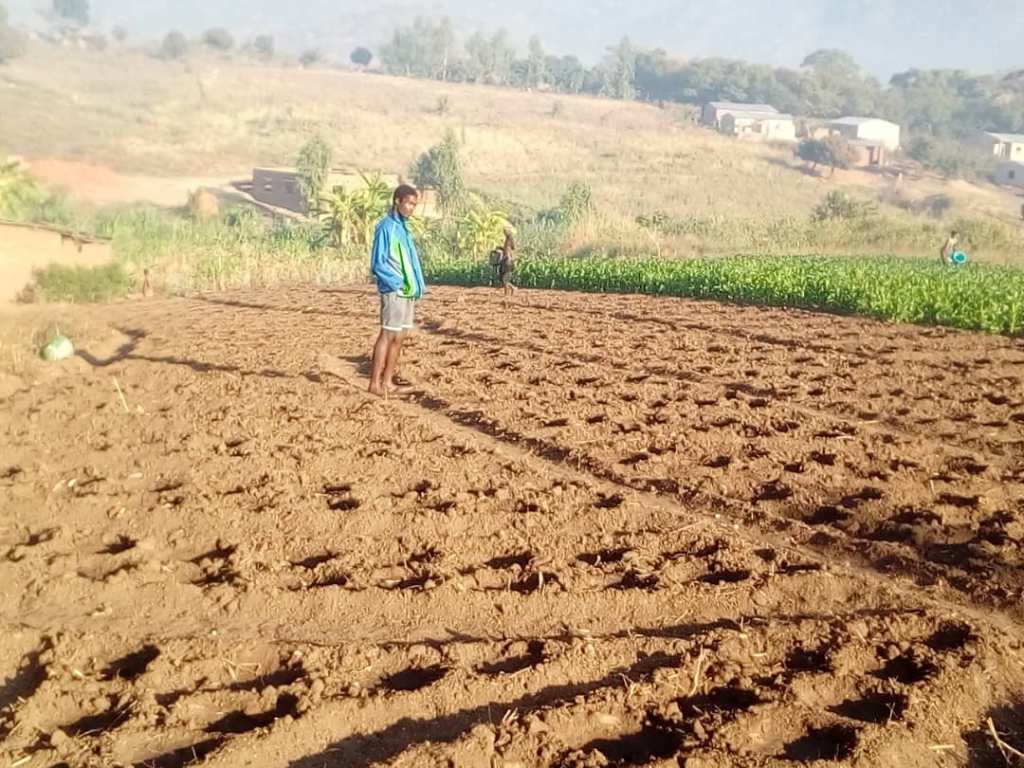
Agricultural development level is very low. The farmers reported a limited access to agricultural extension services and generally know less about pests, diseases and their management. The farmers revealed that they mainly sell their produce to community members, mobile vendors and nearest markets. None of them mentioned of high value or formal markets due to their proximity to the city. They use basic tools such as hoes for tilling, watering canes for irrigation and use bicycles to transport harvests to the markets (Figure 1). Watch this video.
Whilst the existing farmers are reducing production output in response to price increase and resource constraints, the few presence of farmers cultivating the gardens indicated it may not be an attractive option for many households.
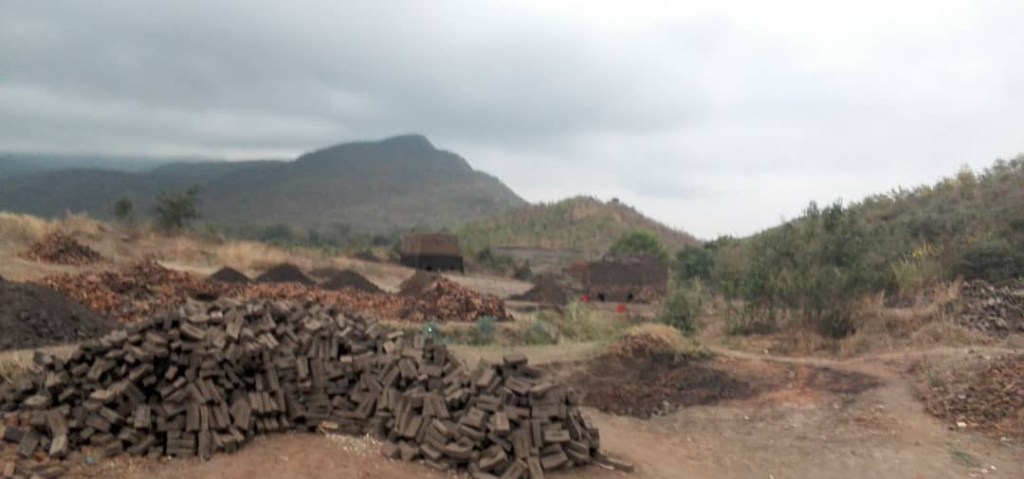
With no other options, the majority of households are likely still depending on the forest despite the maximization of its protection by government authorities, worsening the current deforestation state, as evidenced by presence of many brick ovens along the forest perimeter.
No any community-based conservation initiative was mentioned in the survey. Instead, some feud between the community and the government authorities were confided.
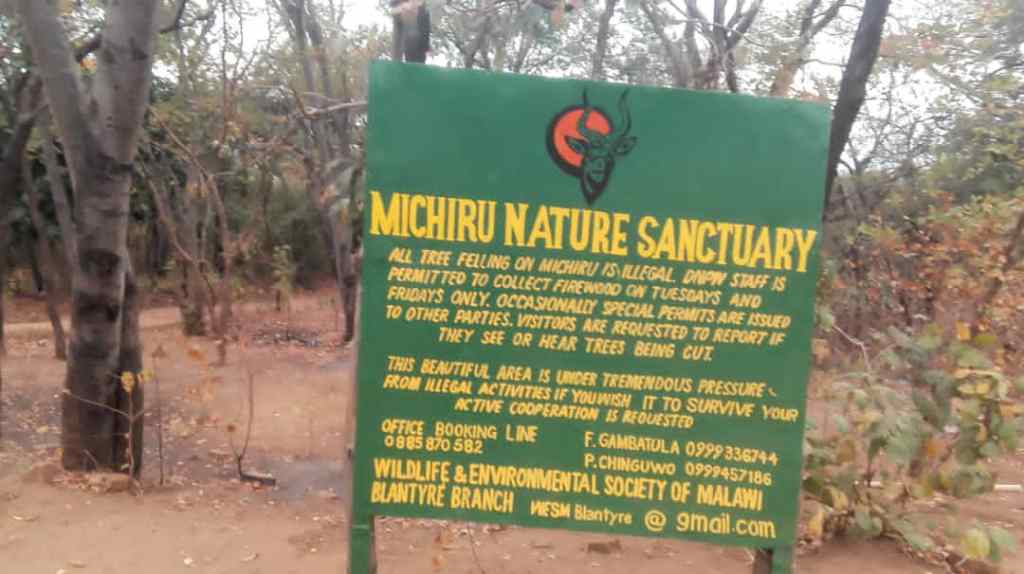
It was noted that the Wildlife Environmental Society of Malawi (WESM) is a major stakeholder that is actively trying to protect and maintain the nature sanctuary. Some organizations that were mentioned by key informants include National Initiative for Civic Education, World Bank, John Hopkins and UNICEF. However, the key informants did not explain their exact interventions.
Even though not mentioned during the interviews, without nature-based incomes, this might be already inciting criminal and negative social behaviors including prostitution and thievery, considering the communities’ proximity to the urban area.
 COMP@SS
One thought on “PRACTICAL IMAGINATION OF DIGITAL VILLAGES”