By George Z Goliati
A Quick Preamble
This is the first of a series of articles that are tempting to give an analysis of how Malawi is misusing and destroying its treasure, the biodiversity, which can be regarded as its “precious” nature accessible to everyone for equal economic growth, as a background of the Chikhalidwe eco-centers platform on the interComm.
The analysis examines how the landlocked nation’s government seems to be light years away from figuring out how to conserve and leverage on its biodiversity and adapt to climate change in the face of sharply increasing population growth, expansion of farming and settlement land and wood energy demand.
Noticeably, Malawi’s weak agricultural and energy development undermine its forestry sector. Weak forestry sector undermines agricultural output and tourism industry, the country’s most potential and sustainable economic power-houses, and therefore all development efforts – and the cycle repeats.
Malawi’s Precious Stones Nature That Need No Mining: Exploring the Value of Malawi’s Biodiversity
According to UNEP-WCMC, Malawi ranks 25th on countries with most rich biodiversity by land area. World Bank reports indicate that 17% of country’s 11.8 million hectares is forest area (which covered 45% in 1975 and 27% in early 2000s) while 21% is covered with water of which 90% of this makes the 8th largest fresh water lake in the world. FAO, further reports that 56% of its 9.4ha land mass is cultivable.
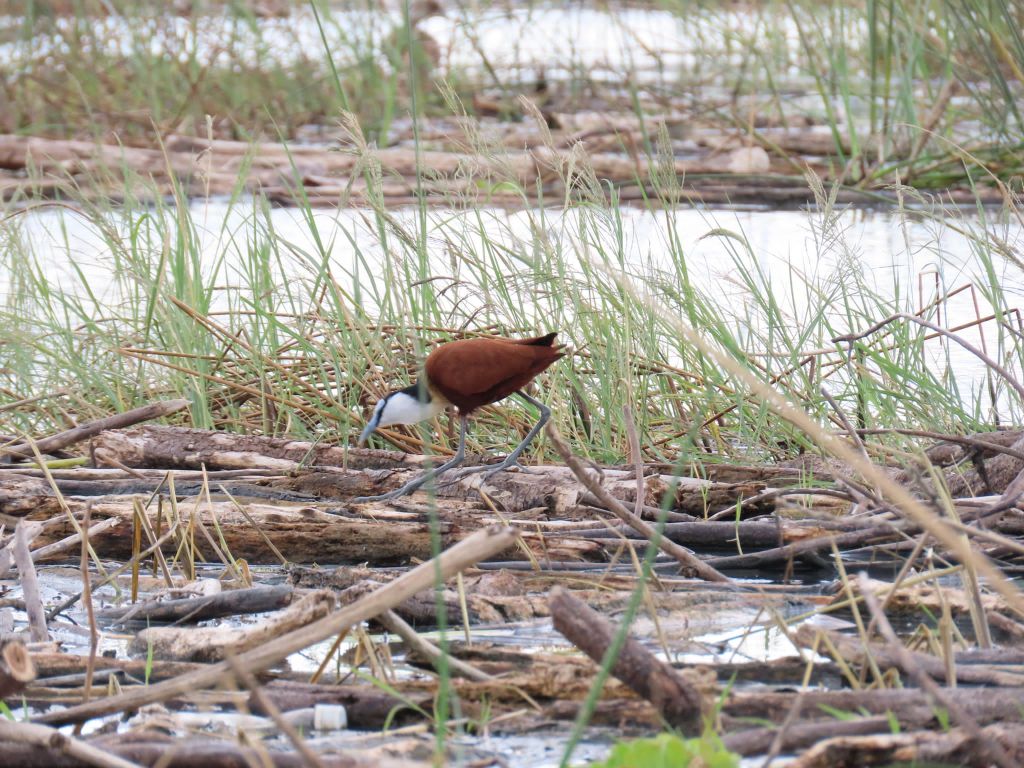
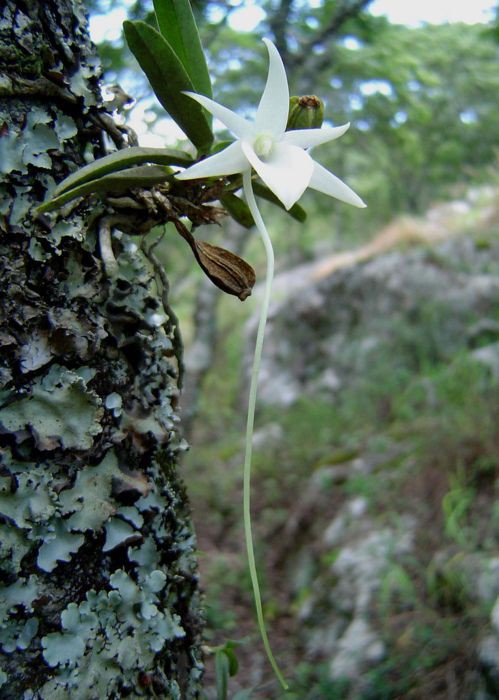
The Convention on Biodiversity International (CBI) cites more about Malawi as follows; The greatest diversity of plants and animals exists in the country’s 97 protected areas (90% of which are forest reserves). Malawi has a total of over 6,000 flowering plant species, of which 122 are endemic, and 248 species are threatened with extinction. Plants include 400 species of stunning orchids and over 219 species of ferns (National Herbarium and Botanic Gardens). There are about 192 mammal species in Malawi, of which 8 are listed as threatened under IUCN (2013). About 83 species of amphibians have been recorded in Malawi, of which 6 species are endemic and 12 threatened. The country has 145 species of reptiles, of which 12 are endemic and six rare. There are 630 known bird species, of which 4 are endemic and 7 threatened. The total number of fish species found in Malawi is estimated to be in excess of 1000 species. Over 800 fish species have been described in Lake Malawi, 95% being haplochromine cichlids, and 99% of which are endemic to the Lake.
Agro-biodiversity was estimated to contribute about 40% to the GDP and more than 90% of employment and merchandise export earnings in 2010. The fisheries, forestry and wildlife sectors contributed 12.8% towards the GDP in the same year. Malawi’s biodiversity could be its unexploited treasure through tourism and can be regarded as “precious” nature accessible to everyone.
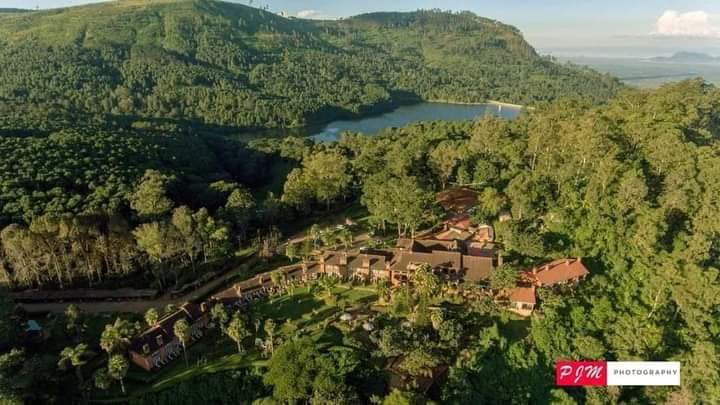
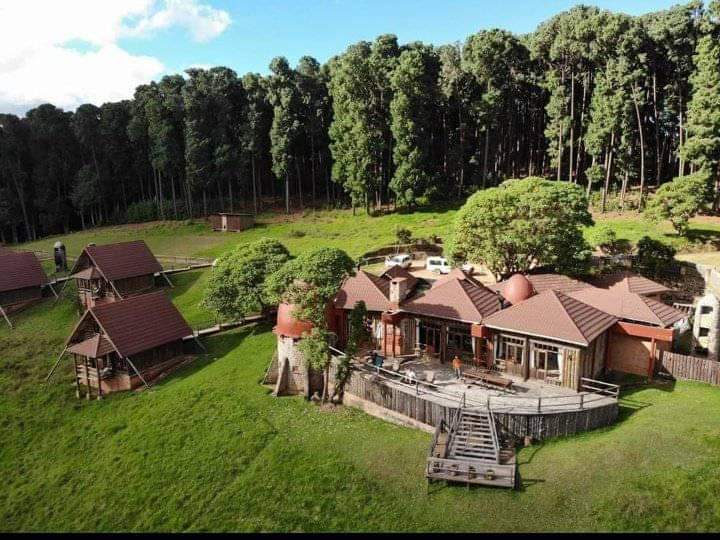
Malawi’s biodiversity anchors the tourism sector (World Bank, 2010), which is ranked a third foreign exchange earner after tobacco and tea by the government (MRA, 2022). In 2019, real contribution of travel and tourism to GDP for Malawi was 0.6 billion US dollars increased from 0.2 billion US dollars in 2000 to 0.6 billion US dollars in 2019 growing at an average annual rate of 6.31% (Knoema, 2022). In the same year, 2019, the total contribution of the travel and tourism sector to the country’s GDP was 6.7% (from 2.7% in 2010), and the sector provided close to 516,200 jobs (WTTC, 2021). Major tourist attractions in the country include water bodies, national parks, wildlife reserves, mountains and cultural heritage sites that provide site-seeing, photographic safaris and mountain hiking opportunities.
Lake Malawi National Park is of global importance for biodiversity conservation due to its fish diversity in particular (CBI, 2022). It is estimated that more than 250,000 people along the major fishing areas depend on fish as a source of food (the fisheries sector provides 60-70% of total animal protein in Malawi) and livelihood. In addition, Malawi has over 131 plant species which are used as medicinal plants (e.g. Kombe (Strophathus kombe) used locally for healing stomach ulcers and sexually transmitted infections). Biodiversity satisfies a number of socio-cultural functions in Malawi as well. Most Malawian ethnic groups believe in the existence of a supernatural being or ancestral spirits associated with graveyards or mountain areas covered by forest biodiversity.
However, over-exploitation of forests and wildlife is escalating as the growing population tries to survive and cope up with poverty by expanding farming and settlement land and cutting trees for charcoal or timber business. The aftermath is immense deforestation and degradation of biodiversity, water, land and other natural resources, recycling the poverty, as readily available economic resources and ecosystems services become more scarce. For example, the Liwonde Forest Reserve covers a designated area of 284 hectares however forest cover had been reduced to 70 hectares of the reserve in 2013. As for aquatic ecosystems, the 2013-2018 drying up of Lake Chilwa due to the degradation of catchment areas and climate change threatened the survival of both bird and fish species, where estimated 1.2 million birds were hunted down in place of no fish that pushed nearly 60,000 fishing families into more poverty.
 COMP@SS