By George Z Goliati
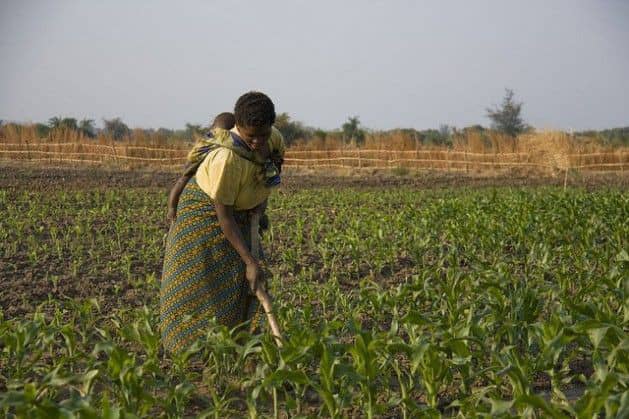
Just like in many Sub-Saharan African countries, the most poor and hunger-striken population in Malawi relies on smallholder farming which is exerting more pressure on forests and other natural resources and reinforcing climate change, eventually recycling hunger and poverty. According to World Bank 2015 to 2019 reports, 80% of Malawi’s nearly 19 million people experience hunger and more than half live below poverty line.
Despite several government and donor interventions including revision of National Agriculture Policy in 2016, majority of marginalized farmers are still facing low productivity, produce market failures and subsequent recycled hunger. For instance, most of the communal irrigation, storage, processing, marketing structures, grants as well as technologies that some farmers have been supported with for increased production levels and value addition for commercial levels, remain under- or unused.
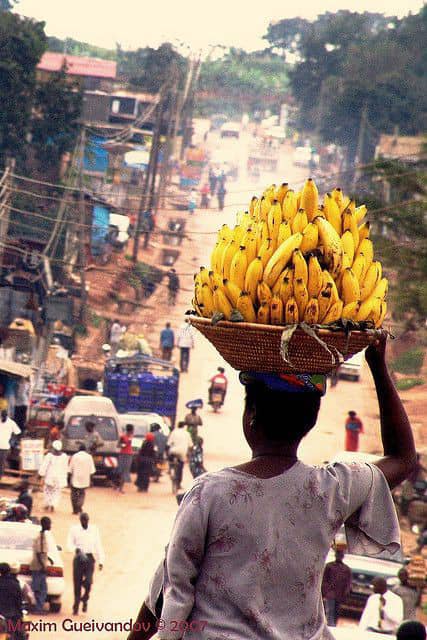
The 2022 IPC Report indicates that food insecurity is driven by abject poverty, recurrent shocks, poor policies and implementation as well as reliance on weak livelihood strategies. The 2021 IRLADP and ADPSP performance assessment report highlights that yields of major staple foods are low because of the limited adoption of modern inputs, dependence on rain-fed agriculture, declining soil fertility, and inadequate agricultural extension and research. It also recognizes that market opportunities are limited, and farmers are poorly connected to existing markets with a more dependency on subsistence, maize-focused production systems.
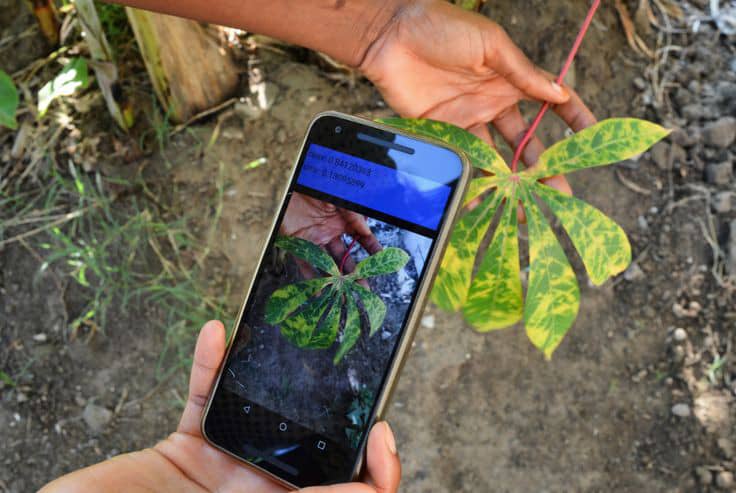
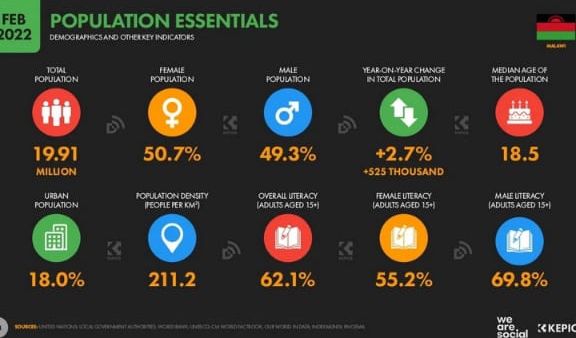
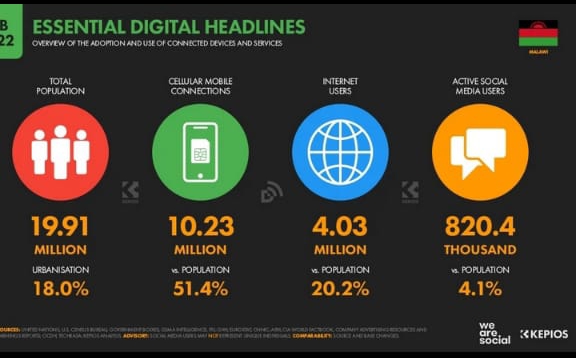
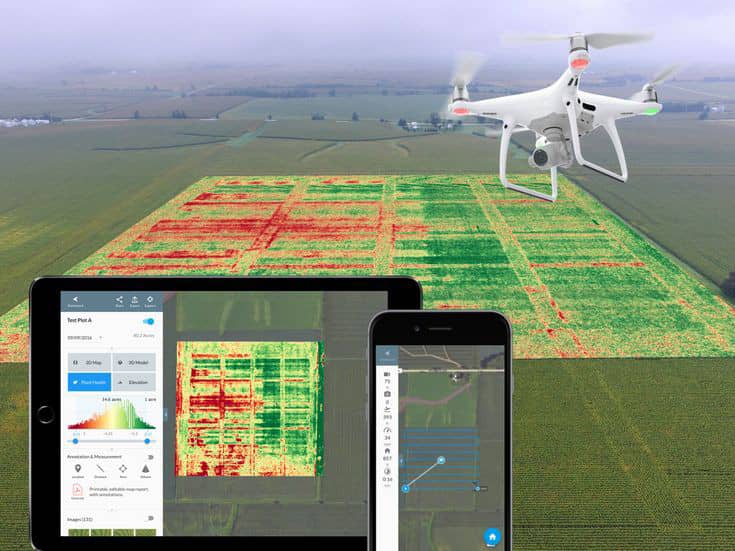
These aforementioned issues often converge to the huge extension worker to farmers ratio at 1:3000 and broken rural farmers linkage with urban markets. The government’s and donor efforts to overcome these challenges with ICT or digital technologies are constrained with current mobile phone connections at 51.4% (but increasing), internet use at 20.2% and literacy level at 62.1% (55.2% for females).
 COMP@SS